Understanding Boiler Systems
Boilers are essential components of many heating systems, providing warm air or hot water to keep homes comfortable during cold months. As a homeowner, understanding the basics of your boiler, including its operation and maintenance, is crucial for safety and efficiency. By familiarizing yourself with boiler systems, you can ensure a reliable heating solution for your household. For more detailed solutions regarding boiler issues, this page offers comprehensive insights.
What Is a Boiler and How Does It Work?
A boiler is a closed vessel in which water or another fluid is heated. The heated fluid then circulates through a system of pipes to provide heat or hot water. The process typically involves the combustion of fuel (like natural gas, oil, or biomass) to generate heat, which is then transferred to the fluid. This heat can be used for space heating, domestic hot water, or even process heat in industrial applications.
Different Types of Boilers: Pros and Cons
Boilers can be categorized into various types based on their design and function. Here are some common types:
- Combi Boilers: These compact units provide both heating and hot water without the need for a separate hot water cylinder. Pros include space-saving design and energy efficiency. However, they may struggle to provide hot water in larger households.
- System Boilers: Ideal for homes with multiple bathrooms, system boilers require a hot water cylinder but do not need a separate cold water tank. They are efficient but require more space than a combi boiler.
- Conventional Boilers: Also known as regular boilers, they work effectively in larger homes with multiple bathrooms. They consist of a hot water cylinder and require a cold water tank. However, they occupy more space and can lead to higher energy costs.
Common Boiler Issues and Symptoms
Identifying boiler issues early can save homeowners time and money. Common problems include:
- Strange noises (like banging or whistling), which could indicate air in the system or a build-up of scale.
- Leaking water, which may point to a faulty valve or cracked heat exchanger.
- Fluctuating water temperatures, indicating a problem with the thermostat or heating element.
Key Boiler Maintenance Practices
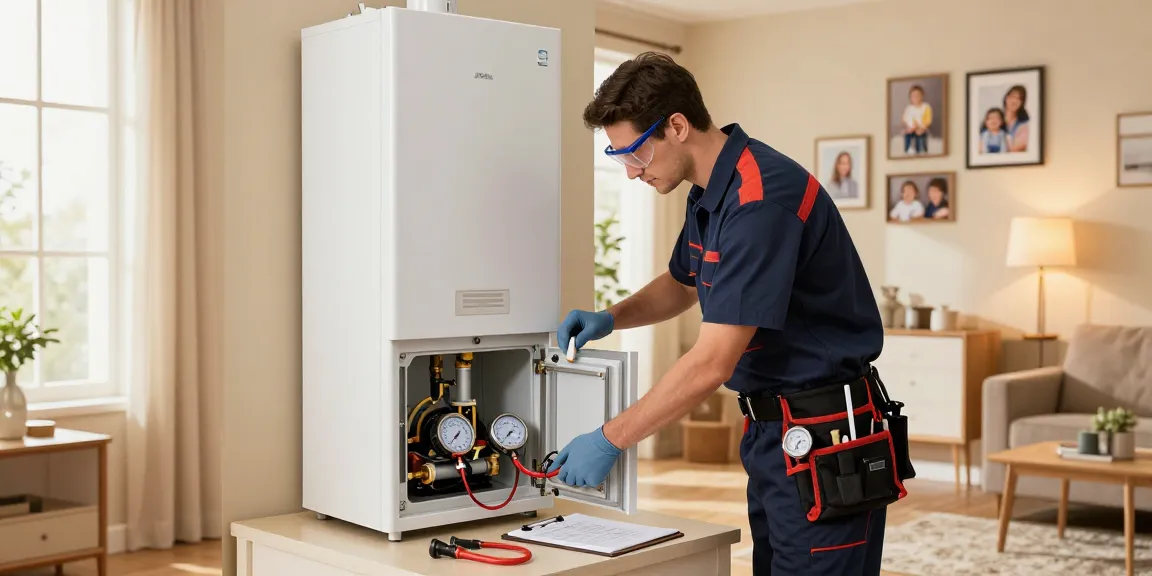
Regular boiler maintenance is essential for optimal performance and longevity. By taking proactive steps, you can prevent common issues and ensure a safe heating environment in your home.
Essential Boiler Care Tips for Homeowners
- Schedule an annual service with a qualified technician to ensure your boiler is operating safely.
- Keep the area around the boiler clear of obstructions to maintain proper airflow.
- Check pressure levels regularly and ensure they remain within the manufacturer’s recommended range.
Seasonal Maintenance Checklist
Before heating season begins, follow this seasonal maintenance checklist:
- Inspect radiators for air pockets and bleed them if necessary.
- Check and replace the boiler’s pressure relief valve if it shows signs of wear.
- Test the thermostat to ensure it accurately controls the temperature.
How to Identify Warning Signs Early
Monitoring your boiler regularly can help you catch issues before they escalate. Look for:
- Unusual noises that could indicate internal problems.
- Higher energy bills than usual, which may signal inefficiency.
- Frequent system failures or restarts.
Professional Boiler Repair Services
While many maintenance tasks can be handled by homeowners, some boiler repairs require professional expertise. Knowing when to call a technician can make a significant difference in the longevity and safety of your heating system.
When to Call a Professional Technician?
Contact a technician immediately if you notice:
- Persistent boiler leaks, which can indicate significant issues.
- An inability to maintain stable pressure or temperature.
- Unusual odors (especially gas), which could signal a dangerous leak.
How to Choose a Reliable Boiler Repair Service
Choosing the right repair service is crucial for ensuring quality work and safety. Consider:
- Qualifications and certifications of the technicians.
- Customer reviews and testimonials to gauge reliability.
- Availability of emergency services for urgent repairs.
Cost Factors for Boiler Repairs and Replacements
The cost of boiler repairs can vary widely based on several factors, including:
- Type of boiler and the complexity of the repair.
- Location and local labor costs.
- Availability of parts.
Innovative Boiler Solutions for 2026
As we move towards 2026, technology in heating systems is evolving, leading to more efficient and effective solutions.
Emerging Technologies in Heating Systems
New technologies are being developed to enhance boiler efficiency and reduce environmental impact. These include:
- Modulating boilers, which adjust their output based on demand for energy savings.
- Hybrid heating systems that combine traditional boilers with renewable energy sources.
- Advanced controls that optimize performance and adapt to user habits.
Energy Efficiency Trends and Regulations
Regulations are constantly evolving, pushing for greater energy efficiency in heating systems. Homeowners should stay informed about:
- Government incentives for upgrading to energy-efficient systems.
- New standards for boiler efficiency ratings.
- Recycling and disposal regulations for old heating units.
Future of Smart Boiler Controls
Smart technology continues to influence heating systems, making them more user-friendly and efficient. The future will likely involve:
- Integration with home automation systems for remote control and monitoring.
- Predictive maintenance features that alert homeowners to potential issues before they occur.
- Energy consumption analytics that help users optimize usage and save on bills.
Frequently Asked Questions
What maintenance does my boiler need regularly?
Your boiler requires annual servicing by a qualified professional, regular checks of pressure and water levels, and periodic bleeding of radiators to ensure optimal performance.
How can I tell if my boiler is malfunctioning?
Signs of malfunctioning include unusual noises, leaks, inconsistent heating, and warning lights on the boiler display.
What are the benefits of upgrading my boiler?
Upgrading can improve energy efficiency, reduce heating costs, increase reliability, and enhance overall home comfort.
How long do boilers typically last?
On average, boilers can last between 10 to 15 years, but regular maintenance can extend their lifespan significantly.
Can I perform boiler repairs myself?
While minor maintenance tasks can be handled by homeowners, it is advised to leave significant repairs to trained professionals to ensure safety and compliance with regulations.