Understanding Integrated Modular Systems
Integrated Modular Systems (IMS) represent an innovative approach to designing and implementing complex systems across various industries. These systems combine multiple functional modules into a coherent structure, enabling improved efficiency and flexibility. As industries evolve, the need for systems that can adapt to changing demands has never been more critical. QILEE Group is at the forefront, offering comprehensive solutions tailored to specific challenges, particularly in water treatment. When exploring options, Integrated Modular Systems provide comprehensive insights into effective implementations that cater to diverse operational needs.
Definition and Importance of Integrated Modular Systems
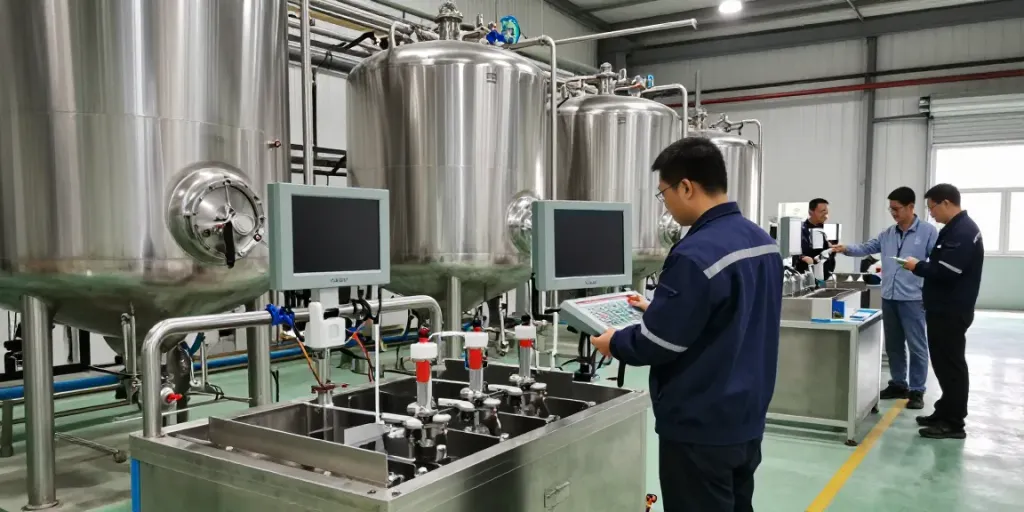
Integrated Modular Systems can be defined as frameworks that consist of various interconnected modules, designed to work together as a unified whole. These modular components can often be customized or replaced independently, allowing for scalability and easier maintenance. The importance of IMS lies in their ability to streamline processes, reduce costs, and enhance operational efficiency. In sectors such as water treatment, where QILEE specializes, these systems can significantly improve performance by integrating treatment units that address specific water quality challenges.
Key Components of Integrated Modular Systems
The fundamental components of Integrated Modular Systems include:
- Modules: Each module serves a specific function, such as filtration, chemical treatment, or monitoring.
- Control Systems: These systems regulate module functionality and ensure the seamless operation of the entire framework.
- Interconnectivity: Effective communication between modules is crucial for optimal performance, achieved through advanced networking technologies.
- Data Management: Real-time data collection and analysis systems provide valuable insights for operational adjustments.
Historical Development and Future Trends
The concept of modular systems dates back several decades, gaining traction across various sectors, including construction, IT, and water treatment. Initially focused on enhancing productivity, the approach has evolved to include sustainability and environmental considerations. Looking ahead, emerging technologies such as artificial intelligence and IoT are set to transform Integrated Modular Systems. These advancements promise not only to increase efficiency but also to enhance data-driven decision-making processes.
Benefits of QILEE's Integrated Modular Systems
Enhanced Efficiency and Performance
One of the standout benefits of QILEE's Integrated Modular Systems is their ability to significantly enhance operational efficiency. The modular design allows for tailored solutions that can adapt to changing operational requirements. This flexibility means that systems can be scaled up or down as needed, without major overhauls. For instance, the Integrated Membrane Water Treatment System can be adjusted to increase flow rates in high-demand scenarios without compromising performance.
Cost-Effectiveness and Scalability
Investing in Integrated Modular Systems can lead to substantial cost savings. By utilizing modular components, companies can avoid the expenses associated with traditional construction and installation methods. Furthermore, these systems offer scalability, allowing organizations to expand their capabilities over time, as demonstrated by QILEE's DAF Integrated Treatment System, which is particularly effective for wastewater treatment where suspended solids are present.
Environmental Impact and Sustainability Measures
With increasing awareness of environmental issues, QILEE's Integrated Modular Systems are designed with sustainability in mind. These systems often utilize advanced technologies that reduce energy consumption and minimize waste. For instance, the Sludge Dewatering Modular System employs techniques that recycle water and reduce the volume of sludge, thereby lowering disposal costs and environmental impact.
Applications of Integrated Modular Systems
Water Treatment Solutions: Case Studies
Integrated Modular Systems have found successful applications in various water treatment scenarios. A notable case study involves a municipal water treatment plant that integrated QILEE's Chemical Treatment System alongside their DAF system. This combination effectively managed varying water quality issues, significantly improving the plant's performance metrics and lowering operational costs.
Industrial Implementation and Best Practices
Industries are increasingly adopting Integrated Modular Systems to optimize their processes. Best practices for implementation include conducting thorough needs assessments, selecting the right modules based on specific challenges, and ensuring robust training for staff. Companies that adopt a proactive approach to maintenance and upgrades can also maximize the lifecycle of their systems.
Future Applications in Urban Infrastructure
The future of Integrated Modular Systems looks promising, particularly in urban infrastructure development. As cities grapple with water scarcity and pollution, these systems offer scalable solutions that can be integrated into existing frameworks. For example, modular systems can be deployed for stormwater management, turning challenges into opportunities for sustainable urban development.