Understanding Equipment Transportation
What Is Equipment Transportation?
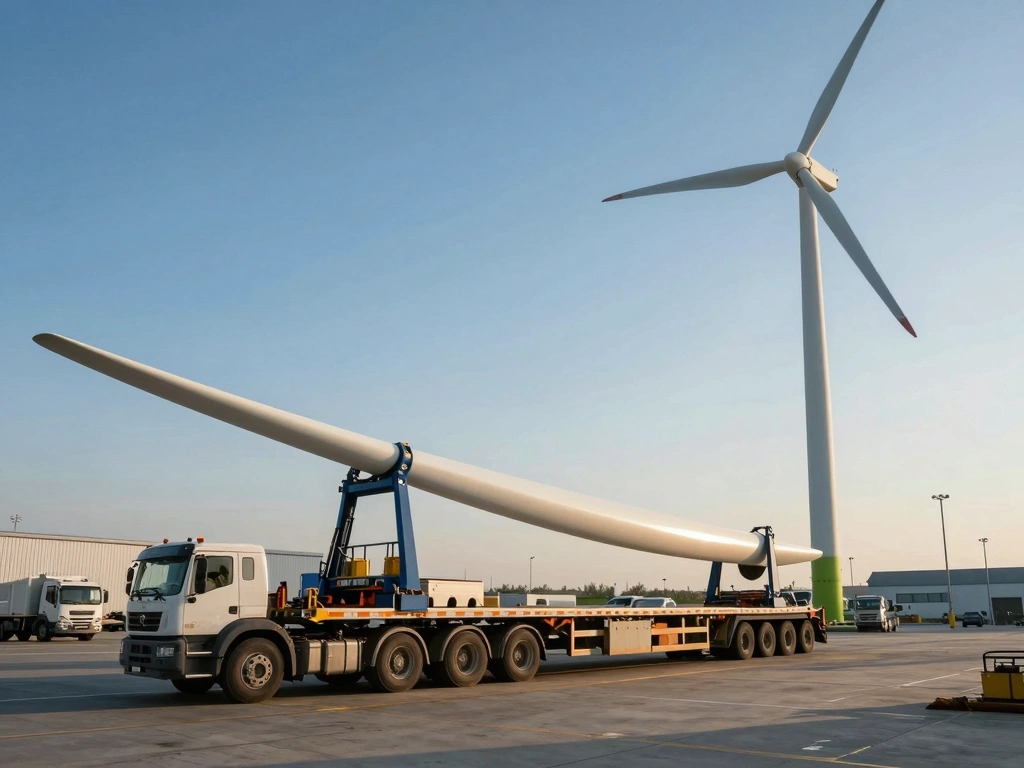
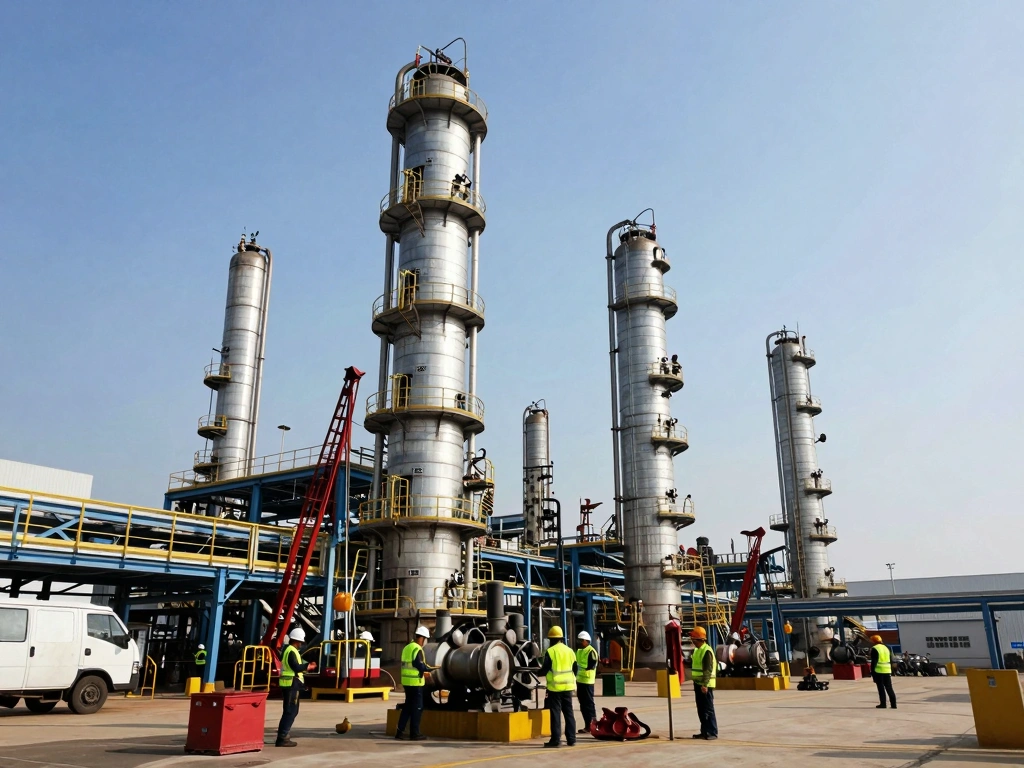
Equipment transportation refers to the logistics and processes involved in moving machinery and heavy equipment from one location to another. This specialized field is crucial in industries such as construction, agriculture, and manufacturing, where large and often fragile equipment must be relocated efficiently and safely. Equipment transportation requires careful planning and coordination, ensuring that loads are secured correctly and adhere to local and federal regulations. Proper execution not only protects the machinery during transit but also minimizes downtime for businesses using the equipment.
Industry Standards and Regulations
In the equipment transportation industry, adhering to standards and regulations is paramount. These regulations ensure safety for both the load being transported and the public. In the United States, the Department of Transportation (DOT) and state-specific agencies implement guidelines concerning weight limits, vehicle specifications, and permitting for oversized loads. Transporters often need to secure special permits, particularly for heavy or oversized equipment, which may require routing that avoids certain roadways or bridges. Understanding these regulations can help to streamline the transportation process and avoid costly fines.
Types of Equipment Transport
There are several methods of equipment transport, each suited for different types of machinery and distances. Common methods include:
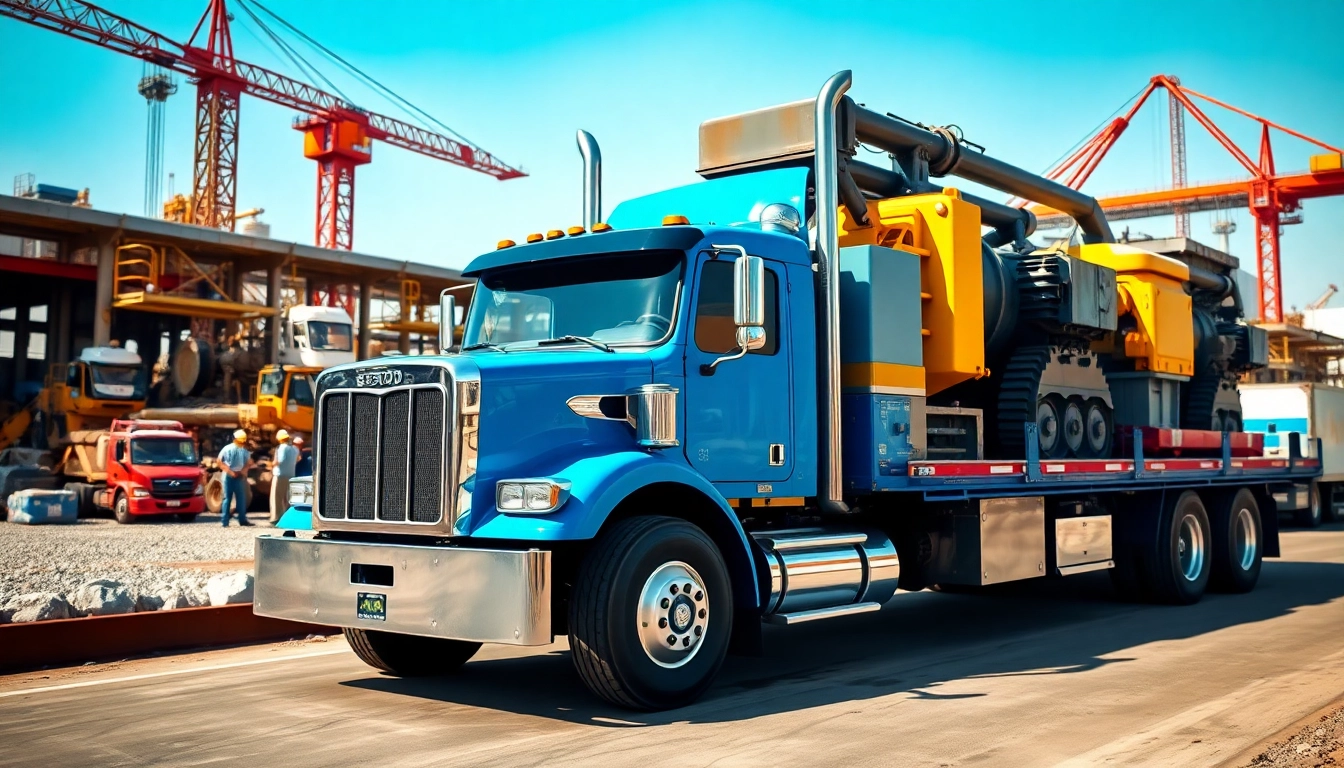
- Flatbed Trucking: This is one of the most versatile options, ideal for hauling traditional construction equipment like excavators and bulldozers.
- Lowboy Trailers: These trailers are specifically designed for transporting heavy equipment with low clearance, making them ideal for tall machinery.
- Enclosed Trailers: Used for transporting sensitive equipment that needs protection from the elements.
- Rail Transport: For long-distance moves of heavy machinery, rail can be a cost-effective option when there are existing rail lines.
- Container Shipping: Ideal for international transport, this method utilizes shipping containers to secure equipment on ships, allowing for numerous freight options.
Cost Factors in Equipment Transportation
Calculating Transportation Costs
Understanding how costs are calculated in equipment transportation can empower businesses to budget effectively. Costs typically include:
- Distance: The longer the distance, the higher the transportation cost. Rates can vary based on geographical locations.
- Weight and Size of the Equipment: Heavier and larger loads often necessitate specialized transport vehicles and incur higher fees.
- Route Complexity: Areas with difficult access, restrictions, or more potential delays can increase the overall cost due to additional logistics required.
- Permitting Fees: Special permits for oversized loads may be required by local or state jurisdictions, which can add to costs.
- Handling Fees: Loading and unloading the equipment safely might require additional manpower, further adding to overall expenses.
Comparison of Delivery Methods
Each delivery method involves a trade-off between cost, speed, and safety. For instance, while flatbed trucking may be less expensive, it might not be the best option for sensitive equipment. In contrast, enclosed trailers may offer greater protection but at a higher cost. Rail transport, while economical for long distances, lacks the flexibility for remote locations. Decision-makers must evaluate these factors, determining what balance of cost and efficiency meets their needs.
Hidden Costs to Consider
Businesses often overlook hidden costs that can arise during equipment transportation. These can include:
- Insurance: While some carriers provide basic insurance, additional coverage may be necessary to fully protect high-value equipment.
- Delays: Unexpected delays can increase costs if machinery is not used as planned or if demurrage charges are incurred.
- Unforeseen Repairs: Equipment may be damaged during transport. If not properly insured and accounted for, repair costs can be significant.
- Storage Fees: If equipment needs to be stored before or after transport, warehousing fees can accumulate rapidly.
Choosing the Right Equipment Transportation Service
Evaluating Service Providers
Choosing a reliable equipment transportation service is a critical decision. Effective evaluation can help avoid operational disruptions. Considerations include:
- Experience: Look for providers with a solid history in equipment transport who understand the nuances of various machinery types.
- Equipment and Fleet: Ensure the provider maintains a fleet that is adequately equipped for specific transportation needs.
- Insurance and Licensing: Verify that the provider holds proper licensing, insurance, and safety records to protect against potential liabilities.
- Customer Service: Good communication is essential. Providers should be responsive and transparent about their processes.
Red Flags to Avoid
While evaluating transportation services, be wary of red flags such as:
- Unclear Pricing: Be cautious of vague or fluctuating pricing structures that may lead to unexpected costs.
- Poor Reviews: Negative feedback, particularly regarding damages or delays, can indicate potential issues with the service provider.
- Lack of Documentation: If a company is unwilling to provide references, insurance details, or safety records, take this as a significant warning sign.
Importance of Customer Reviews
Customer reviews provide insights into service quality and reliability. Prospective clients should seek out recent testimonials and case studies to gauge how a company performs. Websites, social media platforms, and industry forums are invaluable resources for this information. Understanding past clients' experiences can help inform better decisions in selecting the right service provider.
Best Practices for Safe Equipment Transportation
Preparing Equipment for Transport
Preparation is crucial for ensuring that equipment is transported safely. Key steps include:
- Inspection: Conduct a thorough inspection of the equipment before transport to identify any pre-existing damage.
- Cleansing: Clean equipment to prevent the spread of contaminants, promoting easier inspections upon delivery.
- Documentation: Secure all necessary documentation, including manuals and operating specifications, to accompany the equipment during transport.
Load Securement Techniques
Securing loads properly is vital for safe transportation. Effective techniques include:
- Using high-quality tie-downs and straps to secure equipment to flatbeds or trailers, minimizing movement during transit.
- Distributing weight evenly to prevent tipping or rolling of the load while in transit.
- Utilizing blocking and bracing to secure equipment in trailers or containers effectively.
Safety Checks Before Departure
Conducting a final safety check before leaving is critical to ensuring safe transport. Important checks include:
- Revisiting Weight Limits: Confirm that the total weight meets legal transportation limits.
- Vehicle Maintenance: Verify that transport vehicles are in optimal working order to prevent breakdowns on the road.
- Reviewing Load Securement: Double-check all load securement measures to ensure they meet safety standards.
FAQs on Equipment Transportation
What is equipment transportation?
Equipment transportation refers to the logistics involved in moving machinery and heavy equipment, ensuring safe and efficient transit.
How much does equipment transportation typically cost?
Costs vary based on distance, vehicle type, weight, and any necessary permits, typically ranging from $2 to $5 per mile.
What types of vehicles are used for equipment transportation?
Commonly used vehicles include flatbed trucks, lowboy trailers, and enclosed trailers, each suited for specific equipment types.
How long does equipment transportation take?
Delivery times vary based on distance and route conditions but generally range from hours to several days for longer hauls.
What should I consider when choosing a transportation company?
Evaluate a company's experience, equipment, customer service, insurance, and reviews to ensure a reliable service provider.
Contact Information
Call Us:4062607988Address: 3906 MT-40, Columbia Falls, MT 59912