Introduction to Clarksburg AVA Wines Varietals
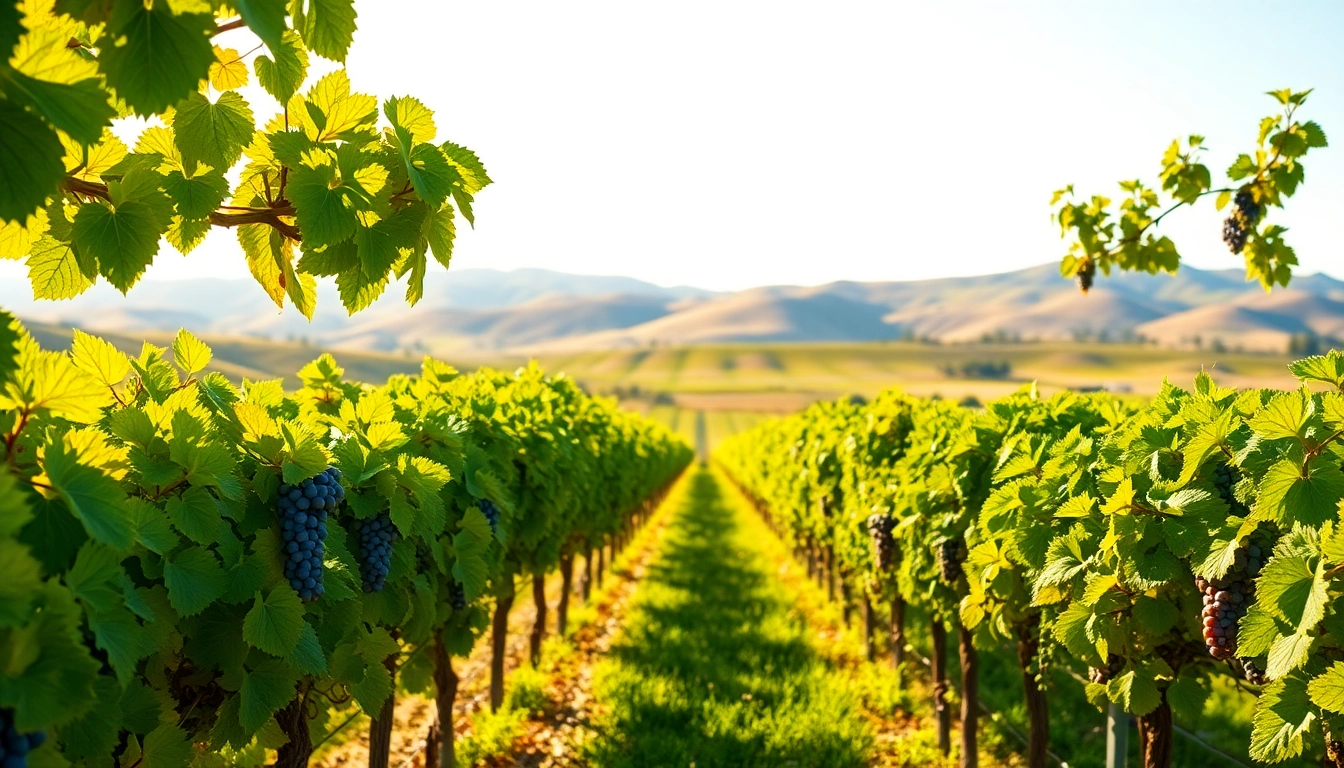
Located in California's fertile Sacramento Delta, the Clarksburg American Viticultural Area (AVA) is celebrated for its lush vineyards and a diverse array of wine varietals. The unique combination of climate, soil, and geography gives these wines their distinctive characteristics, making clarksburg AVA wines varietals a true gem within the wine community. This article explores the essence of Clarksburg AVA wines, delving into the history of the region, the variety of wines produced, the impact of its terroir, and tips for visiting its stunning vineyards.
What is the Clarksburg AVA?
The Clarksburg AVA was established in 1984 and covers approximately 10,000 acres of planted vineyards. Spanning three counties—Yolo, Sacramento, and Solano—this AVA is often overlooked in comparison to its more famous counterparts, yet it boasts a rich viticultural history. The region’s proximity to the Sacramento River allows for a unique blend of maritime and continental climate influences, leading to a variety of exceptional wines.
History of Wine Production in Clarksburg
The history of wine production in Clarksburg dates back to the late 1800s when early settlers realized the agricultural potential of the region. The vineyards became known for their adaptability to different grape varietals, leading to a flourishing wine culture. Following years of growth, the area faced challenges during Prohibition, which stunted development. However, the resurgence in the 1970s, with the establishment of modern wineries, revitalized the region, paving the way for an impressive array of varietals that thrive today.
Significance of AVA Designations
An American Viticultural Area (AVA) designation serves as a mark of quality and origin. It indicates that the designated region has unique climatic conditions and soil types suitable for producing high-quality wines. Understanding AVA designations like Clarksburg not only helps consumers appreciate the wines' backgrounds but also promotes the distinct characteristics attributed to each region. It assures consumers that the wines they are enjoying accurately reflect their place of origin, strengthening connections between wine and land.
Diversity of Clarksburg AVA Wines Varietals
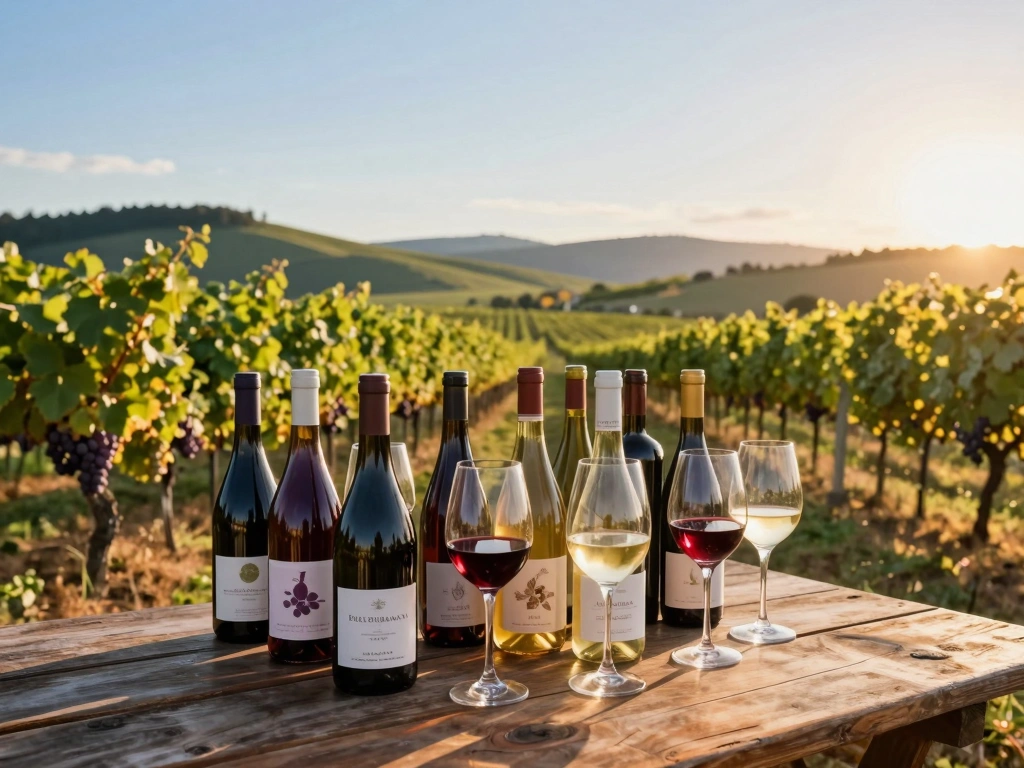
The diversity of varietals in the Clarksburg AVA is indeed noteworthy. With over 35 different grape varieties cultivated in the region, both red and white options are available that cater to various palates. Below, we look at the primary varietal categories found here.
Popular Red Varietals Found
Clarksburg AVA is celebrated for its robust red wines, with varietals such as Merlot, Petite Sirah, and Syrah standing out. Merlot grapes thrive in the moderately warm climate, producing wines characterized by their rich fruit flavors and smooth tannins. Petite Sirah is known for its inky color and bold flavor profile, often displaying notes of dark fruits and spices, appealing to those who enjoy a richer wine experience. Syrah, exhibiting peppery and berry notes, completes the trio, making Clarksburg a noteworthy destination for lovers of red wines.
Popular White Varietals Found
On the white varietal front, Chenin Blanc is arguably the most lauded grape in the region, with its vibrant acidity and versatility. This grape excels in producing both dry and sweet styles, making it a fantastic pairing for a variety of dishes. Chardonnay and Sauvignon Blanc also flourish in the Clarksburg AVA, with Chardonnays ranging from creamy and oaky to crisp and refreshing, while Sauvignon Blanc displays a zesty acidity paired with notes of citrus and grass. These varietals make Clarksburg a vibrant player in the white wine market.
Unique and Rare Varietals
While Clarksburg's well-known varietals shine brightly, the region is home to some unique and rare grape varieties as well. Albarino, a Spanish varietal, is gaining popularity within the AVA for its bright acidity and stone fruit flavors. Grenache Blanc is another treasure, thriving in the warm climate and producing aromatic wines with floral notes. Additionally, less common varietals like Verdelho and Tempranillo offer adventurous wine enthusiasts the opportunity to savor something special from the region’s wineries.
Impact of Climate and Geography
The synthesis of climate, geography, and soil in Clarksburg creates a distinctive terroir that profoundly influences the characteristics of its wines.
Understanding the Terroir of Clarksburg
Terroir refers to the environmental factors that affect a vineyard, encompassing climate, soil, and local landscapes. The Clarksburg AVA boasts a unique blend of all these, with soils that are predominantly a mix of clay, loam, and sandy deposits. These soils contribute to the minerals found in the wines, affecting their taste and complexity. The proximity to the Sacramento River moderates temperatures, ensuring a longer growing season that allows grapes to develop rich flavors while maintaining acidity.
Climate Influence on Wine Profiles
Climate plays a pivotal role in shaping the profiles of Clarksburg wines. The area experiences a Mediterranean climate characterized by warm, dry summers and cooler, moist winters. The temperature fluctuations between day and night contribute to the acid retention in grapes, which is essential for good wine balance. During the summer months, warm temperatures allow the grapes to ripen fully; however, the evening coolness ensures that the wines retain their brightness and freshness, leading to well-rounded flavor profiles.
How Geography Shapes Varietal Characteristics
Geography, including elevation and proximity to bodies of water, further influences the wine characteristics. Vineyards located closer to the Sacramento River benefit from cooling breezes, which keep temperatures more moderate and allow grapes to maintain their acidity longer. Hillside vineyards, with their better drainage and sunlight exposure, often produce grapes with more concentrated flavors. Thus, understanding the geographical nuances of Clarksburg enhances the appreciation of its wine varietals.
Visiting Clarksburg Vineyards
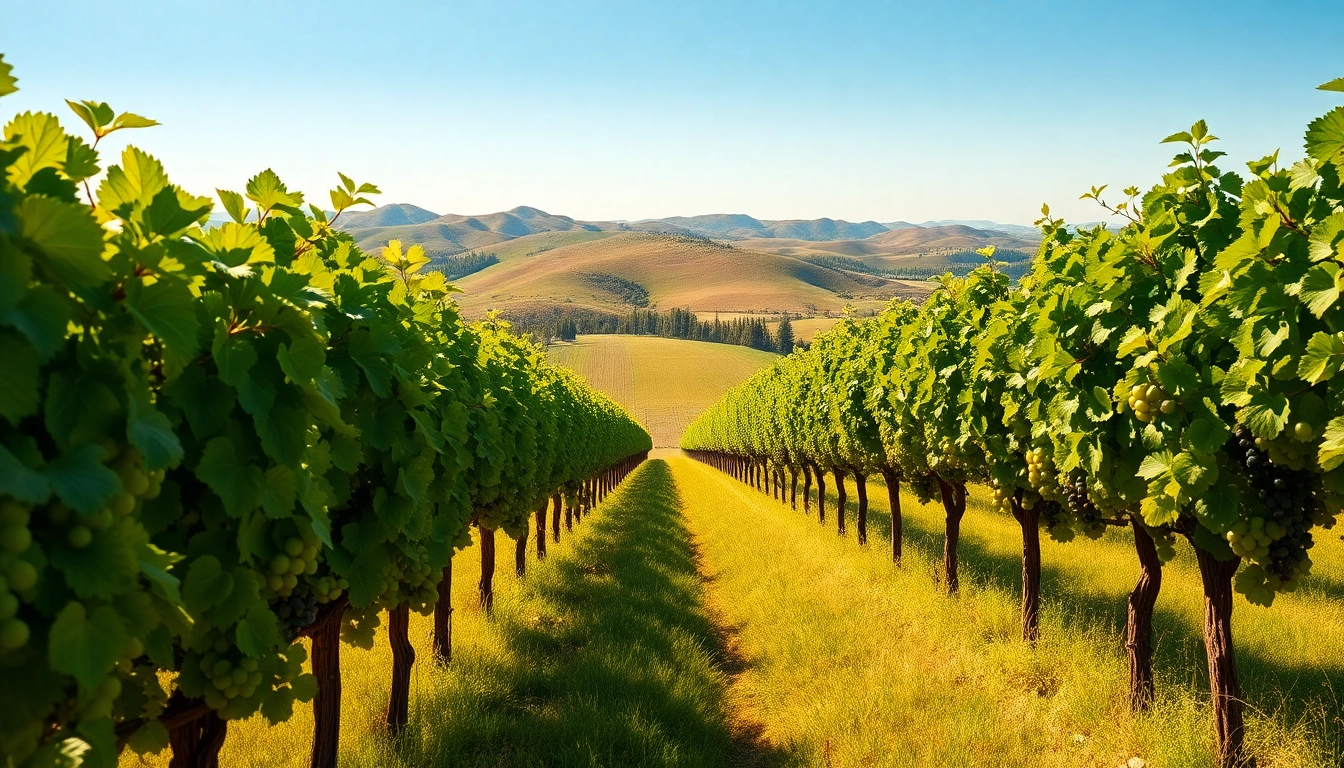
For wine lovers, visiting the Clarksburg AVA is an unforgettable experience. The picturesque vineyards, charming wineries, and welcoming atmosphere invite exploration and enjoyment.
Top Wineries to Experience
Clarksburg is home to several renowned wineries, offering a diverse range of wines that exhibit the region's unique terroir. While there are numerous choices, a few standout wineries include those known for their award-winning Chenin Blanc and captivating red blends. Each winery typically provides tastings, tours, and the chance to learn about the winemaking process, making it an immersive journey for visitors.
Wine Tasting Tips
When visiting Clarksburg wineries, it helps to have a few tasting tips in mind to enhance your experience. First, consider starting with a lighter white or sparkling wine to cleanse your palate before moving into reds. Take notes on each varietal to keep track of your favorites, and don’t hesitate to ask the winery staff about food pairings and the characteristics of specific wines. Remember to savor the experience, allowing the flavors to unfold gradually, and enjoy the beautiful winery ambiance.
Events and Festivals Celebrating Wine
Clarksburg hosts various wine-related events and festivals throughout the year, celebrating the region's winemaking traditions and community. These events often include tastings, food pairings, vineyard tours, and opportunities to meet winemakers, offering attendees a unique glimpse into the local wine culture. Participating in these events is a fantastic way to deepen your knowledge of Clarksburg wines while enjoying the vibrant community spirit.
Future Trends in Clarksburg AVA Wines Varietals
As consumers become more discerning and seek unique wines, Clarksburg's position offers exciting opportunities for growth and innovation in the wine industry.
Emerging Varietals to Watch
With the continuously evolving agricultural landscape and shifting consumer preferences, several emerging varietals are likely to gain traction in Clarksburg. Varietals such as Grüner Veltliner and Tannat are beginning to show promise, attracting interest from adventurous wine drinkers eager to explore new flavors. Vineyards are experimenting with these lesser-known grapes, leading to exciting new blends and unique offerings that showcase Clarksburg's versatility and adaptability.
The Role of Sustainability in Viticulture
Sustainability is increasingly becoming a key factor in the viticulture of the Clarksburg AVA. Many wineries are adopting eco-friendly farming practices to minimize their environmental impact and produce high-quality wines. Sustainable practices include organic farming, water conservation, and minimizing chemical use, all of which contribute to healthier vineyards and communities. As consumers become more environmentally conscious, sustainable wines may play an integral role in shaping the future of Clarksburg wines.
Technological Innovations in Winemaking
Technology is shaping the modern winemaking process, and Clarksburg is no exception. Winemakers are utilizing advanced techniques such as precision viticulture, which employs data analytics to monitor vineyard health and optimize grape quality. Additionally, innovations in fermentation and aging processes are allowing for the creation of more expressive and complex wines. As technology continues to evolve, Clarksburg will likely embrace these advancements to elevate its wine offerings further.
FAQs About Clarksburg AVA Wines Varietals
1. What grape varietals are primarily grown in Clarksburg AVA?
Clarksburg AVA features a diverse range of grape varietals, including Chenin Blanc, Merlot, Cabernet Sauvignon, and Petite Sirah, among others.
2. Why is Chenin Blanc significant in Clarksburg?
Chenin Blanc thrives in Clarksburg due to the region's climate and soil, yielding wines with excellent acidity and vibrant flavor profiles that have gained acclaim.
3. How can I plan a visit to Clarksburg wineries?
Plan your visit by researching local wineries and their tasting schedules. Consider joining a guided tour for a comprehensive experience of the region.
4. Are there any annual wine festivals in Clarksburg?
Yes, Clarksburg hosts various wine events and festivals throughout the year, featuring tastings, food pairings, and more to celebrate the wine culture.
5. What role does sustainability play in Clarksburg's wine production?
Sustainability is becoming essential for many Clarksburg wineries, with practices focused on organic farming, water conservation, and ecological responsibility.