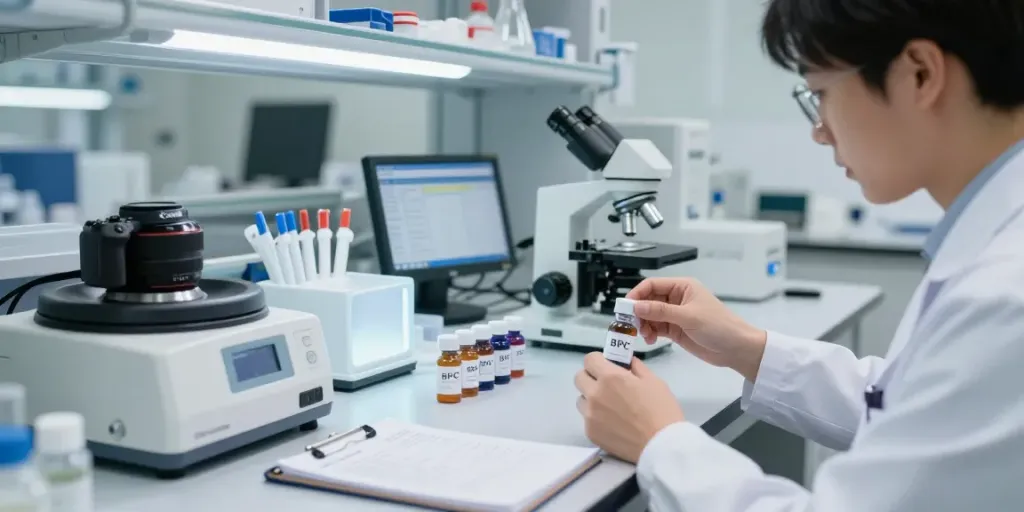
Understanding BPC Peptides
Peptides have gained significant attention in scientific research, particularly for their potential applications in various fields such as medicine, pharmacology, and biochemistry. Among these, BPC peptides, specifically BPC-157, are becoming increasingly popular due to their purported benefits in tissue repair and regenerative medicine. As researchers delve deeper into the properties and mechanisms of BPC peptides, understanding their roles, benefits, and the science behind them becomes essential for effective laboratory applications. When exploring options, BPC provides comprehensive insights into these peptides, which are exclusively intended for research use.
What is BPC and Its Role in Research?
BPC stands for Body Protection Compound, a synthetic peptide consisting of 15 amino acids. Originally isolated from human gastric juice, BPC-157 is designed to aid in healing processes within the body. The peptide has been widely studied for its increasable regenerative properties, making it a compelling subject for scientific inquiry. Its role in research is primarily focused on its potential benefits in wound healing, tissue regeneration, and as a therapeutic agent in various conditions.
Key Benefits of BPC Peptides in Scientific Applications
BPC-157 has garnered interest for several reasons:
- Tissue Repair: It is noted for promoting the healing of muscles, tendons, and ligaments, making it a valuable asset in sports medicine and rehabilitation.
- Anti-inflammatory Properties: BPC peptides can reduce inflammation, which is critical in managing various inflammatory conditions.
- Gastroprotective Effects: Studies suggest that BPC-157 may protect the gastrointestinal tract, potentially aiding in conditions like ulcerative colitis.
- Neuroprotective Effects: Emerging research indicates that BPC-157 may play a role in nerve regeneration and protection, opening avenues for neurological applications.
Common Misconceptions about BPC Peptides
Despite its promising benefits, misconceptions surrounding BPC peptides persist:
- Not a Miracle Cure: While BPC-157 shows great potential, it is not a universally applicable solution and should be viewed as a part of a broader treatment approach.
- Regulatory Status: As a research chemical, BPC-157 is not approved for human consumption or medical use, which sometimes leads to misconceptions about its safety and efficacy.
- Misunderstood Research Context: The research surrounding BPC peptides is often misconstrued, leading to exaggerated claims about their capabilities.
Quality Assurance in BPC Peptide Research
Quality assurance is paramount in peptide research, with particular emphasis on the purity and verification of products. Ensuring that BPC peptides meet rigorous standards is essential for scientific integrity and reproducibility in research.
The Importance of Purity Levels and CoA
Purity levels are critical in peptide research, with a specification of ≥ 99% being the standard for high-quality peptides. This purity ensures that researchers obtain consistent results without the interference of impurities that could skew findings. Certificates of Analysis (CoA) provide documentation confirming the purity and identity of the peptides, supporting trust in the research process.
How to Verify the Quality of BPC Products
Researchers should take several steps to verify the quality of BPC peptides:
- Check for CoA: Always request a CoA from the supplier, confirming the peptide's identity and purity levels.
- Reputable Suppliers: Only purchase from suppliers with a proven track record in the industry, known for their stringent quality control processes.
- Third-party Testing: Look for products that have undergone independent testing for quality assurance.
Reviewing Independent Lab Results
Independent laboratory testing is crucial for verifying the claims made by peptide manufacturers. Reviewing these results allows researchers to make informed decisions about the quality and suitability of BPC peptides for their specific applications.
Applications of BPC Peptides in Laboratories
BPC peptides are versatile tools in laboratory settings, with applications spanning various research fields. Their ability to promote cellular repair and healing makes them essential in numerous studies.
Using BPC for Cellular Repair Studies
Using BPC-157 in cellular repair studies has shown promising results, particularly in understanding the mechanisms of tissue regeneration. Researchers can observe how BPC influences the healing processes at the cellular level, providing insights that may lead to novel therapeutic approaches in regenerative medicine.
Analytical Applications of BPC Peptides
In analytical research, BPC peptides can serve as molecular probes for studying peptide interactions, stability, and degradation, providing a valuable framework for understanding larger biological systems.
Case Studies: Successful BPC Research Projects
Numerous studies have successfully incorporated BPC peptides, showcasing their efficacy in practical applications. For instance, research has demonstrated BPC-157's effectiveness in accelerating healing processes in animal models, fostering interest in its potential human applications.
Best Practices for Working with BPC Peptides
Working with BPC peptides requires adherence to best practices to ensure safety and effectiveness in experimental design.
Storage and Handling of BPC Products
Proper storage conditions are vital for maintaining the integrity of BPC peptides. It is recommended to store unopened vials at temperatures between 2 and 8 °C, in a dry place away from light. After reconstitution, peptides should be kept at 4 °C and used within 30 days to avoid degradation.
Safety Precautions and Guidelines in the Lab
Laboratories should implement strict safety protocols when handling BPC peptides. These precautions include:
- Wearing gloves and protective gear to prevent contamination.
- Ensuring proper ventilation in lab environments when reconstituting peptides.
- Following waste disposal guidelines for biological materials.
Tips for Effective Experimental Design with BPC
Researchers should consider the following when designing experiments involving BPC peptides:
- Clearly define research objectives to guide the experimental approach.
- Incorporate controls to establish baseline measurements for comparison.
- Document all procedures meticulously for traceability and reproducibility.
Future Trends for BPC in 2026 and Beyond
As research into BPC peptides continues, emerging trends are shaping the future of their application in science.
Emerging Research Directions for BPC Peptides
Research is expanding into novel applications of BPC peptides, particularly in complex areas such as gene therapy and personalized medicine. Ongoing studies aim to understand the full spectrum of BPC's benefits, potentially unlocking new therapeutic avenues.
Regulatory Changes Impacting BPC Research
Regulations concerning BPC peptides are evolving, with changes anticipated that may affect how these compounds are manufactured and distributed. Researchers must stay informed about regulatory developments to navigate compliance effectively.
Advancements in Peptide Technology and Applications
Technological advancements in peptide synthesis and analysis are expected to enhance the quality and application of BPC peptides, facilitating more sophisticated research methodologies.
What are the main benefits of BPC peptides?
BPC peptides offer multiple benefits, including tissue repair, anti-inflammatory effects, and potential applications in regenerative medicine, making them valuable tools in various research fields.
How can I verify the quality of BPC products?
Verifying the quality of BPC products involves checking for a Certificate of Analysis, sourcing from reputable suppliers, and reviewing independent lab results to ensure product integrity.
What precautions should I take when using BPC peptides?
Safety precautions include proper storage, using personal protective equipment, and ensuring strict laboratory protocols are followed during handling and experimentation.
Are there any recent studies on BPC effectiveness?
Recent studies have highlighted BPC-157's effectiveness in tissue healing and repair, with ongoing research further exploring its mechanisms and potential therapeutic uses.
What are the storage guidelines for BPC peptides?
Unopened BPC peptides should be stored at 2 to 8 °C, while reconstituted peptides should be kept at 4 °C and used within 30 days to ensure stability and efficacy.