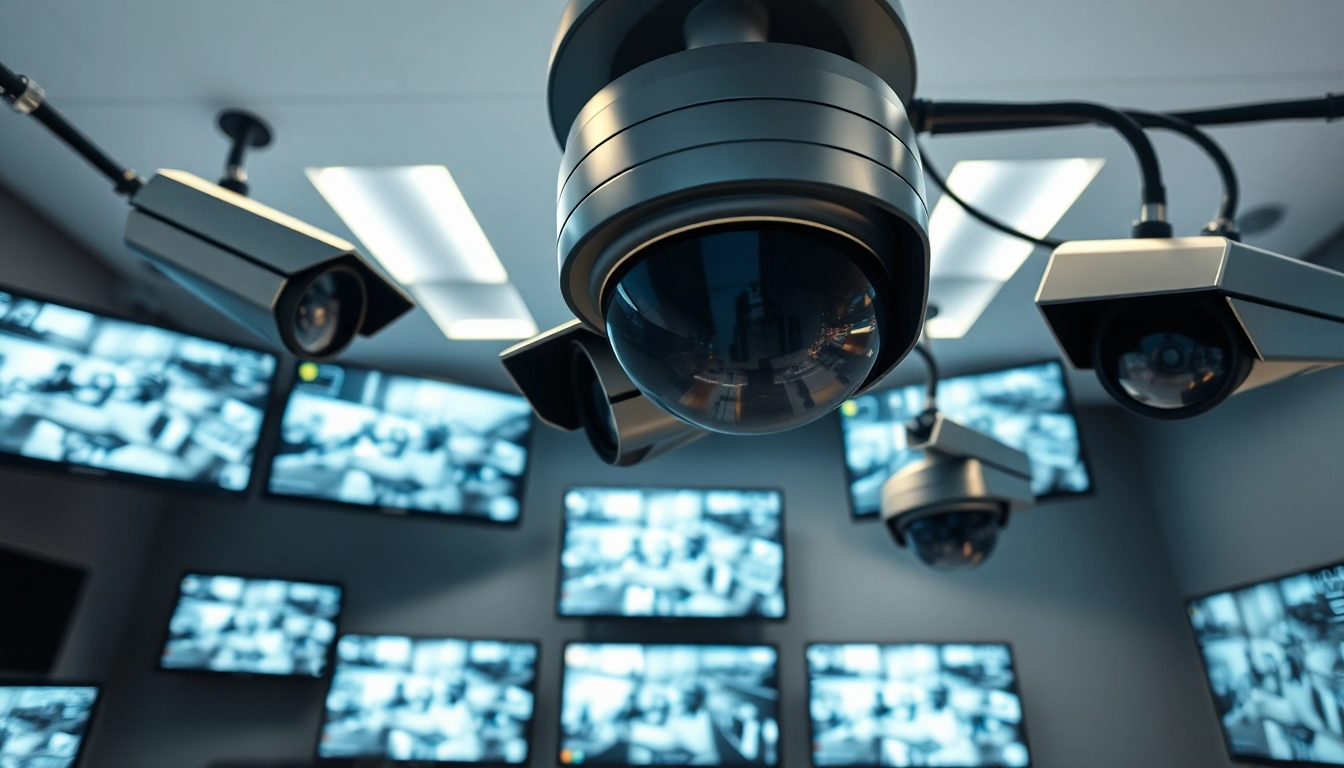
Understanding Computer Vision for CCTV
In an era where security and monitoring are paramount, the integration of computer vision for CCTV stands at the forefront of technological advancement. This sophisticated process not only improves the capabilities of CCTV systems but also transforms how we perceive surveillance and security. By enabling traditional camera systems to interpret and analyze visual data, computer vision technology allows for a more interactive and responsive environment.
What is Computer Vision?
Computer vision is a field of artificial intelligence that focuses on enabling machines to interpret and make decisions based on visual data from the world around them. Utilizing image processing techniques, algorithms, and machine learning, computer vision allows for the extraction of meaningful information from images and videos. In simple terms, it mimics the human ability to see and comprehend surroundings, facilitating tasks such as recognition, classification, and tracking of objects or events.
How Computer Vision Enhances CCTV Functionality
The enhancement of CCTV systems through computer vision creates a paradigm shift in surveillance technology. Traditional CCTV merely records footage for later review, which is time-consuming and often inefficient. In contrast, computer vision-enabled CCTV systems can:
- Automatically detect and recognize individuals and objects.
- Analyze behavior in real-time, allowing for immediate response.
- Reduce false alarms by differentiating between normal and suspicious activities.
- Integrate seamlessly with other smart technologies to provide a comprehensive security solution.
As a result, security personnel can focus on high-risk situations rather than sifting through hours of footage for potential incidents.
Key Technologies in Computer Vision for CCTV
Several key technologies underpin the capabilities of computer vision in CCTV systems:
- Deep Learning: Utilizing neural networks to detect patterns in image data, deep learning enhances the accuracy of object recognition and classification tasks.
- Image Processing: Techniques such as edge detection and motion tracking significantly improve the quality of data obtained from CCTV systems.
- Machine Learning Algorithms: These are crucial for evolving systems to learn from new data, enabling continual improvement in detection capabilities over time.
- Integration of IoT Devices: Smart cameras equipped with sensors can collect diverse data streams, enriching the information available to analysis engines.
Benefits of Implementing Computer Vision in CCTV
Improved Surveillance Accuracy
The foremost benefit of computer vision for CCTV is its ability to enhance surveillance accuracy. By employing advanced algorithms, these systems can minimize errors such as false positives in security alerts, which are common in traditional CCTV settings. The AI enables the identification of critical patterns, allowing security teams to focus their attention on genuine threats, thereby increasing overall efficacy and safety.
Real-time Data Analysis Capabilities
With the implementation of computer vision, CCTV systems gain the power of real-time data analysis. This means that incidents can be recognized immediately, enabling swift action rather than relying on post-incident footage. For example, facial recognition technologies can notify security personnel when a known intruder is detected, prompting instant verification and response.
Cost-Effectiveness Over Time
Although the initial investment in computer vision technology might be higher than traditional CCTV systems, the long-term cost savings can be substantial. Automated processes reduce the need for extensive manpower and minimize security breaches, which can lead to reduced liability and insurance costs. Over time, these savings often outweigh the upfront expenses involved in integrating advanced technologies.
Common Applications and Use Cases
Facility Security Management
One of the primary applications of computer vision for CCTV is within facility security management. These systems can monitor access points, detect unauthorized entry, and provide alerts in real-time when potential breaches occur. Moreover, they can continuously learn and adapt to the flow of authorized individuals, further refining their response capabilities.
Traffic Monitoring and Management
Computer vision technology plays a crucial role in traffic management systems. Cameras can analyze vehicle flow, detect congestion, and assist in traffic light management. Additionally, they can recognize license plates and monitor for violations such as speeding or illegal parking, contributing to safer road environments.
Retail Analytics through CCTV
In the retail sector, computer vision can enhance operational efficiency by analyzing customer behaviors. Retailers can gain insights such as customer pathways through the store, dwell times in specific areas, and overall foot traffic patterns. This data can inform layout changes, marketing strategies, and inventory management, ultimately improving customer experiences and sales.
Challenges in Adopting Computer Vision for CCTV
Integrating with Existing Infrastructure
Although the benefits of integrating computer vision into CCTV systems are vast, challenges exist in assimilating new technology with existing infrastructure. Legacy systems may require updates or complete overhauls, which can be costly and time-consuming. Organizations must evaluate their current capabilities and not only consider the immediate costs but also the long-term benefits of integration.
Data Privacy and Ethical Considerations
The advancement of computer vision raises significant data privacy and ethical concerns. With increasing use of surveillance technologies, there is a need for strict adherence to regulations and best practices regarding data protection. Organizations must ensure transparency with stakeholders and implement measures to secure personal information captured through surveillance systems.
Continuous Maintenance Requirements
Computer vision systems require continuous maintenance and updates to remain effective. Regular software updates, hardware maintenance, and recalibrations are essential for optimizing performance. Organizations need to allocate appropriate resources to ensure their systems operate efficiently and effectively over time.
Future of Computer Vision for CCTV Technologies
Emerging Trends to Watch
The future of computer vision for CCTV holds exciting prospects. The development of more sophisticated algorithms and the use of advanced machine learning techniques will further enhance system capabilities, including better anomaly detection and predictive modeling. Organizations must remain adaptable and proactive in emulating these trends, facilitating a more resilient security posture.
AI and Machine Learning Innovations
As AI and machine learning technologies continue to evolve, they will significantly impact CCTV systems. These innovations can provide advanced predictive analytics, allowing organizations to anticipate and mitigate potential risks before they materialize. Moreover, enhanced data analytics will enable systems to differentiate between various types of activities, refining operational responses even more.
Integration with IoT Devices
Future CCTV systems are likely to become increasingly interconnected with IoT devices, creating a more dynamic and comprehensive security network. This integration facilitates enhanced data collection, enriched context for visual data, and improved response capabilities across multiple platforms. Organizations should invest in compatible systems and consider the potential of such networks for improving overall security efficiency.
Frequently Asked Questions
What is computer vision for CCTV?
Computer vision for CCTV refers to using AI technology to enhance traditional CCTV systems, allowing them to analyze video data in real time.
How does computer vision improve security?
Computer vision enhances security by enabling features like face recognition and suspicious activity detection, providing actionable insights on potential threats.
Can computer vision be integrated with existing CCTV systems?
Yes, many computer vision solutions can easily integrate with existing CCTV systems, maximizing their utility without necessitating full overhauls.
What industries can benefit from computer vision for CCTV?
Industries including retail, transportation, and security services benefit significantly from computer vision applications, enhancing operational efficiency and safety.
What are the key challenges of implementing computer vision for CCTV?
Key challenges include data privacy issues, technical integration with existing systems, and the need for ongoing maintenance and updates to ensure effectiveness.