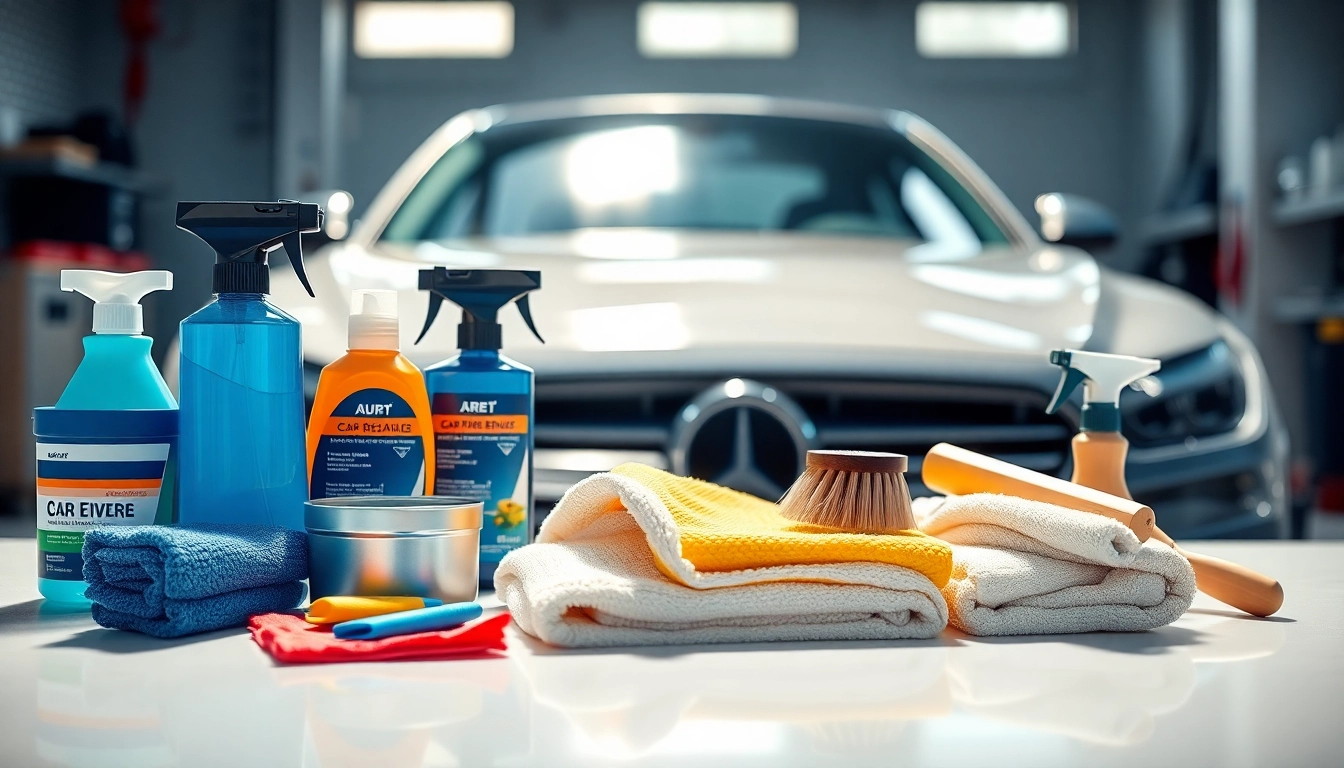
Understanding Car Detailing Products
The Basics of Car Care
Car detailing is not merely a surface clean but a comprehensive approach to maintain the aesthetic and functional aspects of your vehicle. This process enhances the longevity of your car, protects it from environmental damage, and can significantly bolster its resale value. A proper detailing routine encompasses both interior and exterior care, requiring specific products and tools that cater to each area.
Types of Detailing Products
When asking what products do I need to detail my car, it’s essential to categorize these products effectively. Primarily, they can be divided into:
- Washing Agents: These include car wash soaps and shampoos designed to remove dirt without damaging the finish.
- Polishes and Waxes: Waxes provide a protective layer while polishes remove imperfections and enhance shine.
- Interior Cleaners: These products range from fabric shampoos to all-purpose cleaners suitable for dashboards and upholstery.
- Protection Products: Ceramic coatings and sealants serve to protect the finish and surfaces of the vehicle from harsh elements.
Importance of Quality Cleaning Supplies
Investing in quality detailing products not only ensures effective cleaning but also avoids potential damage to your vehicle’s surfaces. For instance, low-grade cleaners can degrade the finish or cause discoloration. High-quality products often contain better ingredients that help maintain your car's appearance while providing long-lasting results.
Must-Have Tools for Car Detailing
Essential Cleaning Tools
To effectively detail your vehicle, having the right tools is imperative. Your toolkit should include:
- Microfiber Cloths: These are soft, absorbent, and perfect for all surfaces, reducing the risk of scratches.
- Wash Mitts: Opt for chenille or lambswool mitts that hold soap and water well.
- Detail Brushes: Use these for intricate cleaning tasks like air vents and other tight spaces.
- Vacuum Cleaner: A good vacuum with attachments is crucial for thorough cleaning of interiors.
Protective Gear for Detailing
While detailing, safety should never be compromised. Use gloves to protect your hands from chemicals, and wear a mask if you are working with sprays or products that produce fumes. Safety goggles can also be beneficial when handling any cleaning agents that could irritate your eyes.
Organization of Detailing Supplies
Keeping your detailing products and tools organized streamlines your cleaning process and ensures that you have everything you need at hand. Utilize caddies or clearly labeled bins to categorize products according to their use—like interior care, exterior care, and protective measures. This not only saves time but also helps in maintaining your supplies in good condition.
Detailed Process for Exterior Care
Washing Your Vehicle Correctly
The foundation of any detailing job starts with a proper wash. Begin by rinsing the car to remove loose dirt. Use a two-bucket wash method to avoid cross-contamination. One bucket holds the soapy water, while the second is for rinsing your mitt. Employ a gentle soap specifically meant for vehicles to prevent stripping wax or sealants already on the surface.
Techniques for Applying Wax
Once your car is clean and dried, the next step is to apply a wax or sealant for protection. Use a foam applicator pad to apply wax in a circular motion, allowing it to haze over before buffing it off with a clean microfiber towel. Focus on small sections at a time to ensure even coverage.
Maintaining Shine with Sealants
Sealants offer stronger protection than wax as they chemically bond to the paint. Regular application every few months can enhance gloss and protection. Follow the manufacturer's instructions for best results, and remember that less is often more; applying too much product can lead to streaking.
Interior Detailing Essentials
Cleaning Upholstery and Carpets
To clean upholstery, use a suitable upholstery cleaner or shampoo. Test any product on an inconspicuous area first. Vacuum the area thoroughly to remove dirt before applying the cleaner. Employ a brush to agitate the fibers lightly, helping to lift dirt before blotting it dry with a microfiber cloth.
Tools for Dashboard and Console Care
The dashboard and console capture a lot of dust and grime. Utilize an all-purpose cleaner and a soft cloth to clean these areas effectively. For enhanced aesthetics, consider using a protectant that prevents fading from the sun while providing a fresh scent.
Tools Needed for Window Cleaning
Clean windows are vital for safety and visibility. Use a glass cleaner and a separate microfiber cloth for wiping. It’s beneficial to clean your windows last to avoid any drips from other surfaces. Always use a different cloth for the interior and exterior sides to avoid cross-contamination.
Advanced Techniques and Tips for Detailing
Maximizing the Effectiveness of Products
To get the most out of your detailing products, follow the manufacturer's instructions closely. Don't rush the processes; allowing products to dwell can yield better results. Additionally, use the right tools specifically designed for application and removal of products to ensure efficiency.
Seasonal Maintenance Strategies
Seasonal detailing should adjust to environmental conditions. For example, during winter, focusing on the undercarriage and wheel wells is critical due to road salt. In spring and fall, invest time in polishing and waxing to shield against changing weather conditions.
Common Mistakes to Avoid
One significant mistake is using household cleaners that contain ammonia, which can damage tint and upholstery. Neglecting to follow mixing instructions for concentrates can also lead to ineffective cleaning. Always prioritize proper techniques over rushed work for better outcomes.
FAQs on Car Detailing Products
What products do I need to fully detail a car?
You need a car cleaning spray, microfiber cloths, upholstery shampoo, vacuum, hose nozzle, tire brush, tire shine, and wax.
Can I use household products for detailing?
Some household items may work but can harm finishes. It's better to use specialized car detailing products for optimal results.
How often should I detail my car?
Ideally, detail your car every 3-6 months, depending on usage and environmental conditions, to maintain its appearance.
Is it worth investing in professional-grade products?
Yes, professional-grade detailing products typically offer superior cleaning, protection, and durability, yielding better results.
What do I need to start a detailing business?
Basic gear includes pressure washers, vacuums, various cleaning supplies, and the knowledge of best detailing practices for effective service.