Understanding Bed Bug Heat Treatment
What is Bed Bug Heat Treatment?
Bed bug heat treatment is an extermination method that uses high temperatures to eliminate bed bugs and their eggs from infested areas. Unlike chemical treatments, which rely on pesticides to kill pests, heat treatment involves raising the ambient temperature of a room to levels lethal to bed bugs, typically between 120°F and 140°F. This method is praised for being non-toxic and environmentally friendly, making it a preferred choice for those concerned about chemical exposure. For an in-depth look at bed bug heat treatment, check out bed bug heat treatment.
How Does it Work?
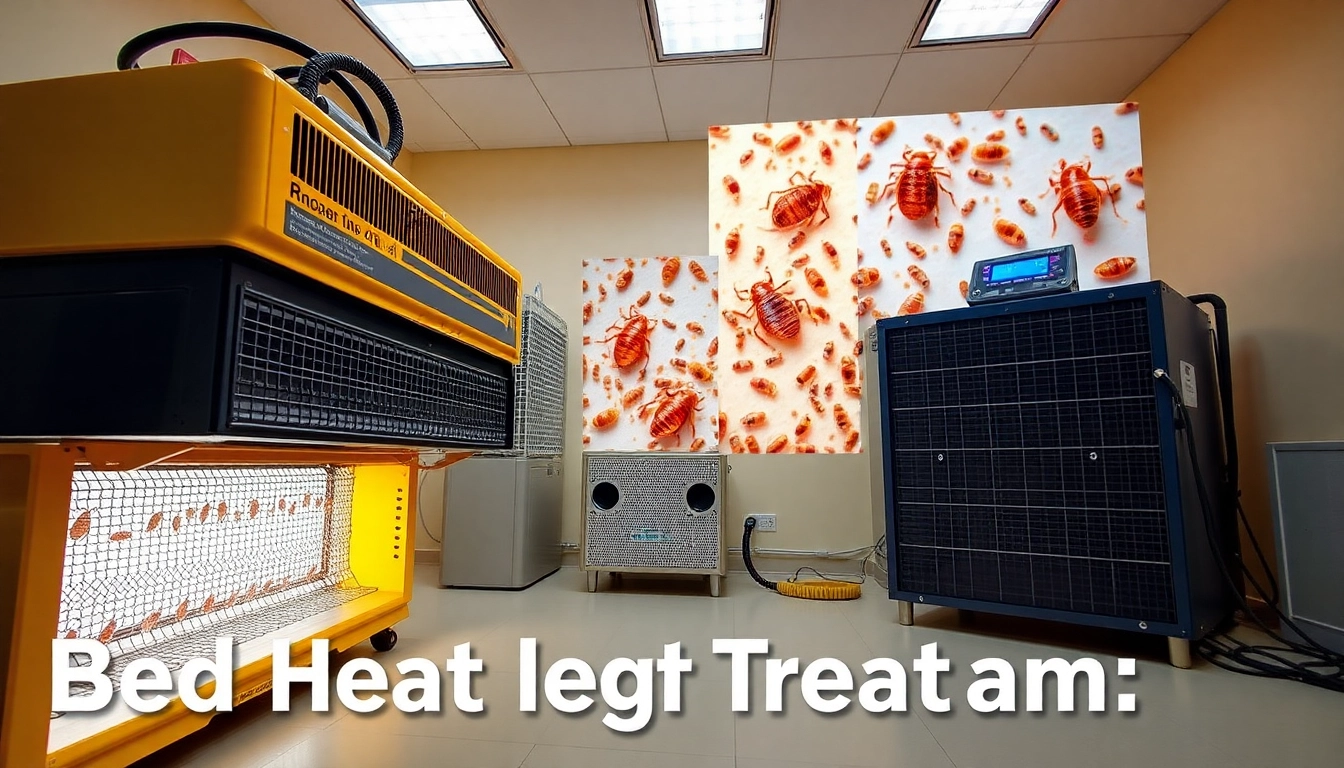
The process of bed bug heat treatment involves several key steps. Initially, heat treatment technicians will inspect the infested area to determine the extent of the infestation. Once assessed, specific heaters are strategically placed throughout the affected space. These heaters are designed to circulate hot air evenly, ensuring that all nooks and crannies reach the desired temperature.
Bed bugs are ectothermic pests, meaning they depend on external sources for body heat. Upon exposure to elevated temperatures, bed bugs—including eggs, nymphs, and adults—are killed instantly. The effectiveness of this method lies not just in the temperature achieved but also in the duration that the materials are subjected to this heat.
Benefits of Heat Treatment
Bed bug heat treatment offers several significant advantages over traditional chemical treatments:
- Non-Toxic Options: As a chemical-free approach, heat treatment is safe for families, pets, and the environment.
- Rapid Results: Heat treatments can often be completed in a single day, allowing for a quick turnaround to reclaim affected spaces.
- Comprehensive Coverage: The heat penetrates all surfaces, effectively reaching bed bugs hiding in hard-to-access areas like mattress seams, upholstery, and wall cavities.
- Long-Lasting Effects: By killing all life stages of bed bugs, heat treatment helps prevent future infestations.
Preparing for Bed Bug Heat Treatment
Assessing the Infestation
Before scheduling a heat treatment, you must first assess the extent of the infestation. Signs of bed bug activity include small reddish-brown stains on bedding, the presence of live bugs, or a sweet, musty odor. A thorough inspection can be conducted by either yourself or a professional pest control service, ensuring that all areas—including hidden spots—are checked.
Preparing Your Home
Proper preparation of your home is crucial for an effective heat treatment. Here are the necessary steps:
- Declutter: Remove any unnecessary items from the treated area, allowing heat to circulate freely.
- Wash Clothing: Launder all bedding, clothing, and fabric items in hot water, then store them away from the treatment area until the process is complete.
- Move Furniture: For optimal heat distribution, move furniture away from walls and bed frames to enable better airflow.
Choosing the Right Equipment
Once you've assessed your infestation and prepared your home, selecting the appropriate heating equipment is essential. There are various types of heaters used, including electric and propane heaters. It's recommended to consult with a pest control professional to determine the most suitable equipment for your specific situation, as well as to ensure safety and effectiveness during the treatment.
Step-by-Step Bed Bug Heat Treatment Process
Setting Up Heaters
After preparing your home, the technicians will begin the setup process. Heaters should be positioned evenly throughout the affected area, focusing particularly on areas known for bed bug activity. Professional pest control services will ensure that there is adequate airflow around each heater for maximum efficiency.
Monitoring Temperature
Careful monitoring of the ambient temperature is vital during the treatment process. Technicians use infrared thermometers and temperature sensors to continually check heat levels, ensuring they reach and maintain the required temperatures for a sufficient duration to guarantee effectiveness. Typically, the target is to maintain lethal temperatures for at least 90 minutes to ensure all stages of bed bugs are eradicated.
Duration and Effectiveness
The entire process of heat treatment usually lasts from 6 to 8 hours, depending on the severity of the infestation and the layout of the home. Following this duration, the treated area might cool down, but all bed bugs should be dead long before that, provided proper procedures have been followed. If done correctly, heat treatment can result in almost complete elimination of bed bugs.
Post-Treatment Actions
Inspecting for Remaining Bed Bugs
After treatment, it's essential to conduct a thorough inspection of the treated areas to ensure that bed bugs have been eliminated. Look for signs such as shed skins or eggs. If any bed bug activity remains, additional treatments may be necessary.
Preventing Future Infestations
To minimize the likelihood of future infestations, consider these preventive measures:
- Seal Cracks: Seal cracks and crevices around windows, doors, and baseboards to limit entry points.
- Regular Inspections: Conduct monthly inspections of bedding, mattresses, and surrounding areas to catch any potential issues early.
- Care with Secondhand Items: Always inspect or heat-treat secondhand furniture before bringing it into your home.
Maintaining a Bed Bug-Free Home
After a successful treatment, maintaining cleanliness in your living space is crucial. Vacuum regularly and wash fabrics frequently. Using protective mattress and box spring encasements can also help prevent any future infestations.
Common Questions About Bed Bug Heat Treatment
Is Bed Bug Heat Treatment Safe?
Yes, bed bug heat treatment is generally considered safe for humans and pets as it does not involve chemicals. However, precautions should still be taken to ensure proper setup and execution.
How Much Does Heat Treatment Cost?
The cost of bed bug heat treatment can vary significantly based on numerous factors, including the extent of the infestation, the size of the area being treated, and geographical location. On average, costs range from $1,500 to $3,000.
Can I Do It Myself?
While DIY heat treatment is possible, it can be challenging to achieve and maintain the necessary temperatures safely. Professional services are highly recommended for effectiveness and safety.
What Should I Expect After Treatment?
Post-treatment, you should expect to see a decrease in bed bug activity. Conduct inspections a few weeks after treatment to ensure total elimination.
How Long Does the Treatment Last?
When properly performed, bed bug heat treatment can effectively eliminate infestations often permanently. However, ongoing vigilance and preventive measures are necessary to avoid future issues.