Introduction to Screen-Free Play
In a digital age where screens dominate children's leisure time, promoting screen-free play becomes crucial for their overall development. Screen-free play encourages creativity, critical thinking, and social skills, allowing children to engage in experiences that enhance their cognitive and emotional growth. Understanding the various aspects of screen-free play can help parents implement more interactive and enriching playtime. If you're looking for valuable resources and ideas to foster this type of play, you can learn more today.
The Importance of Creative Play
Creative play serves as a powerful development tool for children. It goes beyond mere entertainment; it cultivates imagination, stimulates logical reasoning, and promotes problem-solving skills. Through play, children explore their environment, express emotions, and build social connections. Encouraging free play often means that children learn to think independently and develop resilience in the face of challenges.
When children engage in creative activities, they become the architects of their play experiences. Whether they're painting, building with blocks, or role-playing, these activities allow them to experiment with different scenarios, enhancing their decision-making abilities and boosting self-confidence. Studies indicate that children involved in creative play are also more adaptable in real-life situations, further highlighting the necessity of screen-free activities.
Benefits of Reducing Screen Time
Reducing screen time can lead to numerous benefits that positively impact a child's well-being. Excessive screen exposure is often linked to increased rates of attention disorders, obesity, and sleep issues among children. By limiting screen time, parents can foster healthier lifestyles that include more physical activity and better sleep patterns.
Moreover, low screen time encourages real-life interactions among children and between children and adults. Engaging in conversations, playing games, and participating in shared activities are essential for developing language skills and emotional intelligence. Children accustomed to interacting with their peers and family through screen-free play are better equipped to handle social situations with empathy and awareness.
How Screen-Free Toys Foster Development
Screen-free toys play a pivotal role in fostering various aspects of development. These toys stimulate curiosity and engage multiple senses, providing children with hands-on experiences that foster learning. Skills such as dexterity, hand-eye coordination, and spatial awareness are enhanced through physical manipulative toys like building blocks or crafting materials. Creative toys encourage imaginative role play, helping children to understand different social roles and situations.
In addition to cognitive benefits, screen-free toys bolster emotional development. Children learn to express their feelings through creative outlets such as art or storytelling. Furthermore, collaborative play with these toys fosters teamwork, communication, and conflict resolution skills, preparing children for future interpersonal interactions.
Types of Screen-Free Toys
Building and Construction Toys
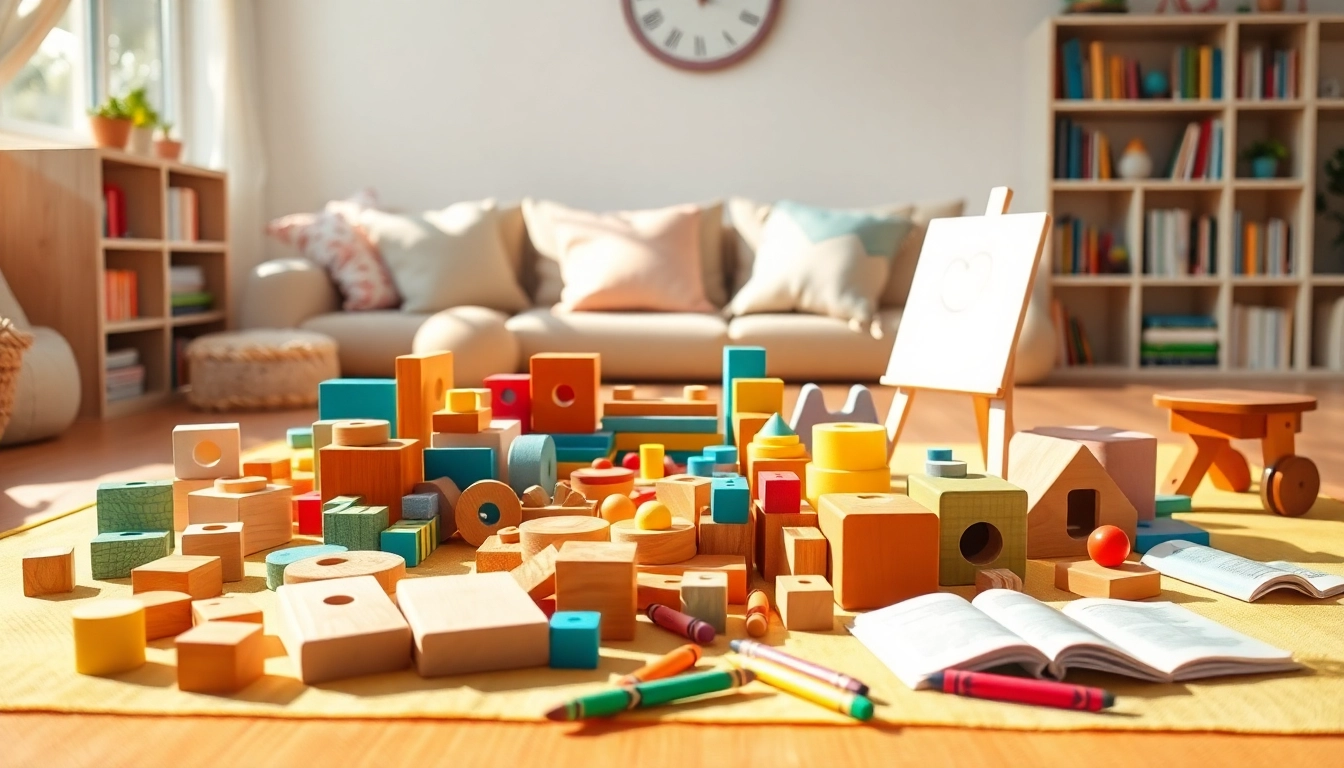
Building and construction toys, such as blocks, Legos, or magnetic tiles, are fantastic for promoting spatial awareness and critical thinking. These toys challenge children to develop structural understanding while expressing creativity. They can build anything from simple towers to intricate cities, enabling them to imagine and execute their ideas.
Play structures made with building toys also support fine motor skill development as children piece together various parts with precision. Furthermore, these activities often lead to collaborative projects with peers, enhancing social skills and teamwork as they navigate disagreements and share ideas.
Artistic and Craft Supplies
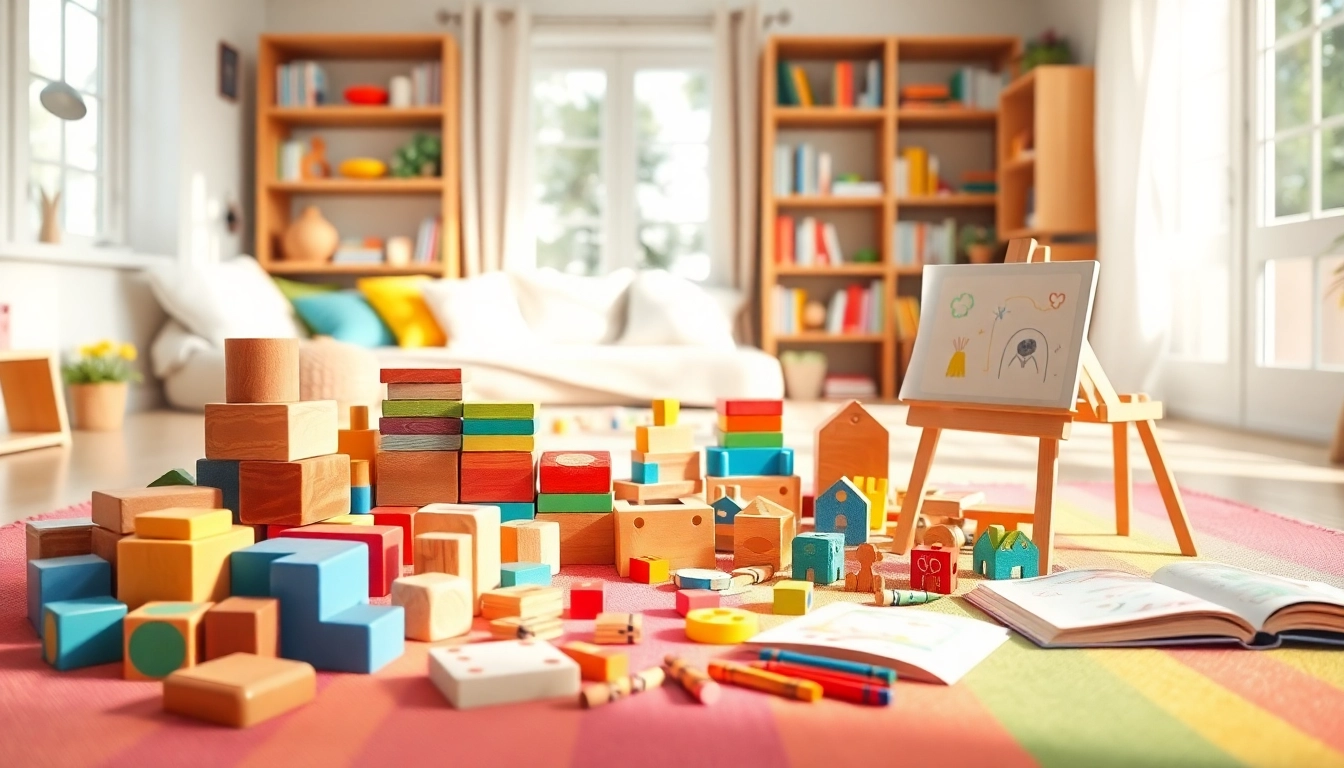
Art supplies, including crayons, paint, clay, and craft kits, are essential for fostering expressive capabilities. Artistic play encourages self-expression and emotional exploration, allowing children to convey their thoughts and feelings visually. These activities can also enhance fine motor skills and hand coordination while providing therapeutic benefits as children lose themselves in the creative process.
Providing children with a variety of artistic materials encourages experimentation and problem-solving. For example, they may face the challenge of mixing colors or figuring out how to balance materials while creating sculptures or collages. Supporting their artistic endeavors with flexibility and praise can significantly boost their confidence in expressing themselves.
Puzzles and Board Games
Puzzles and board games offer children a fun and interactive way to develop critical thinking and strategic skills. Working through puzzles helps refine problem-solving abilities and promotes patience and perseverance. Likewise, board games encourage social interactions, teaching kids how to follow rules, take turns, and deal with winning or losing gracefully.
Games like chess or strategy-based board games stimulate analytical thinking and decision-making processes. These activities also foster a sense of community, as family or friends come together to engage in friendly competition. Thus, puzzles and games become powerful tools in cultivating important skills useful throughout life.
Choosing the Right Toys for Your Child
Age Appropriateness and Safety
Selecting suitable toys involves considering both age appropriateness and safety standards. Many toys feature age recommendations based on developmental stages, ensuring that they are stimulating yet safe for children. Parents should always look for non-toxic materials and robust design to minimize hazards.
In addition, it's wise to observe children's interests and capabilities. A toy suitable for a four-year-old may not provide the same engagement for a seven-year-old. Aligning toy selection with the child's curiosity and developmental milestones can maximize their play experiences and ensure enriching engagement.
Skills Development Focus
When choosing toys, parents should consider which skills they aim to foster in their children. For instance, if the focus is on fine motor skills, toys like building blocks or art supplies can provide effective development opportunities. Alternatively, if the emphasis is on social skills, collaborative games or team-based toys should take precedence.
Reflecting on a child’s personal interests can greatly enhance their engagement and motivation. For instance, children drawn to storytelling may benefit from puppets or craft kits enabling them to create their narratives, while those interested in science might enjoy experiments or discovery kits. Being intentional in this selection process can foster a lasting love for learning through play.
Encouraging Independent Play
Fostering independent play is crucial for self-sufficiency and confidence in children. Opting for open-ended toys that do not dictate specific outcomes encourages children to explore their imaginations while allowing them to learn how to entertain themselves.
Setting up a designated play area can support independent play by providing a clutter-free zone equipped with various options for exploration. By observing first and stepping back, parents enable their children to become engrossed in activities, facilitate creativity, and initiate problem-solving without interruptions.
Creative Activities Without Screens
Outdoor Play Ideas
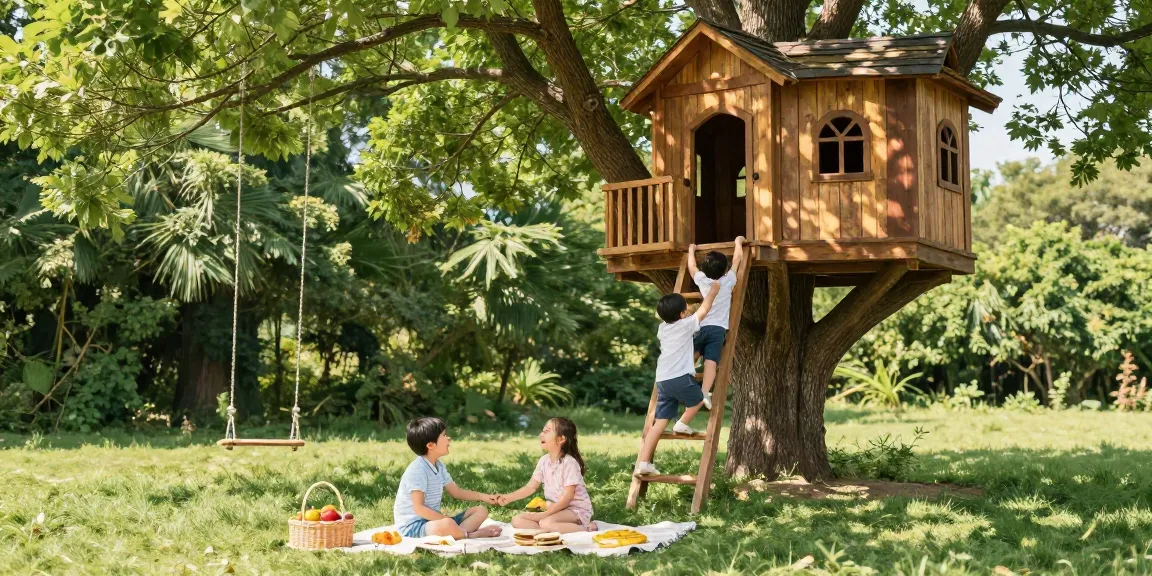
Outdoor play is an excellent way to limit screen time while promoting a healthy lifestyle. Activities like scavenger hunts, nature walks, or obstacle races ignite curiosity about nature while improving physical fitness. Children can engage in activities that challenge their mobility and coordination, such as climbing, running, or jumping, enhancing gross motor skills.
Furthermore, outdoor play allows children to explore their environment and appreciate nature. This experience fosters a connection to the world around them, promoting a sense of wonder and responsibility towards the environment. Evening time can be great for stargazing or evening picnics, combining fun with education about the natural world.
Group Games and Activities
Group games and activities encourage teamwork, communication, and social skills. Traditional games like tag, hide-and-seek, or relays can easily engage multiple children. These games also provide ample opportunities for children to negotiate roles and manage conflicts, developing their interpersonal abilities.
Incorporating creative twists to these games, such as themed costumes or challenges, can sustain engagement and excitement while reinforcing a collaborative spirit. Moreover, parents can establish family game nights involving board games or team competitions in various sports, weaving fun and learning into their family routine.
Stimulating Imagination at Home
At home, parents can create an environment rich in opportunities for imaginative play. Simple activities such as building forts from blankets, playing dress-up, or engaging in storytelling can spark children's creativity. Providing materials like cardboard boxes or fabric scraps can transform ordinary items into extraordinary experiences.
Role-playing scenarios, such as playing house or creating a restaurant, allow children to act out experiences or express feelings. By encouraging these activities, parents set the stage for language development and critical thinking, tools that will empower children as they grow.
Frequently Asked Questions
What are the benefits of screen-free toys?
Screen-free toys enhance creativity, critical thinking, and social skills in children while reducing reliance on screens.
How can I encourage my child to play without screens?
Offer a variety of engaging, hands-on toys, create dedicated play spaces, and participate in activities together to foster interest.
Are there specific age recommendations for these toys?
Yes, select toys based on your child's developmental stage, ensuring they are safe and stimulating for their age group.
How can I create a screen-free play area?
Organize a designated play space with toys that encourage creativity, keep it clutter-free, and use colorful storage solutions.
What resources can I find for creative play ideas?
Look for blogs, parenting books, and community resources that share creative activities and screen-free play strategies.