Understanding the Importance of Screen-Free Play
In today's fast-paced, technology-driven world, the battle against screens for children's attention is fiercer than ever. Parents are increasingly concerned about the amount of time their kids spend glued to tablets, smartphones, and televisions. While screens can offer great educational content and entertainment value, the significance of screen-free play cannot be overstated. Engaging in creative, hands-on activities allows children to explore their imaginations and develop crucial skills that will benefit them for a lifetime. To delve deeper into creative screen-free play ideas and keep children engaged, learn more today.
Benefits of Creative Play for Children
Creative play offers myriad benefits for children's overall development. Unlike passive consumption of screen content, active play involves children's ingenuity and participation. Here are some significant benefits:
- Fosters Imagination: Children learn to think outside the box, invent stories, and create scenarios that reflect their understanding of the world.
- Enhances Problem-Solving Skills: Through experimentation and exploration, kids learn to resolve conflicts and find solutions during play.
- Encourages Physical Activity: Many creative play activities involve movement, counteracting sedentary behavior associated with screen time.
- Boosts Social Skills: Engaging in group play helps kids develop communication, cooperation, and teamwork skills with peers.
- Improves Emotional Health: Creative play can serve as an effective outlet for expressing and managing emotions, fostering resilience and confidence.
Impact on Child Development
The benefits of screen-free play stretch into various realms of child development. Research indicates that children who engage in regular creative, screen-free activities tend to have:
- Better Cognitive Development: Activities that require critical thinking enhance cognitive skills, leading to improved learning outcomes in academics.
- Stronger Language Skills: Participating in imaginative play or storytelling sharpens vocabulary and language proficiency, allowing for more articulate interactions.
- Heightened Attention Span: Kids accustomed to hands-on activities learn to concentrate better, cultivating their ability to focus on tasks at hand.
- Improved Fine Motor Skills: Many creative toys and activities, like crafting or building, enhance fine motor coordination and dexterity.
Comparing Screen Time vs. Screen-Free Activities
While screens can provide targeted learning and entertainment, they often come with risks. Excessive screen time is linked to issues such as attention deficits, sleep disturbances, and poorer quality social interactions. In contrast, screen-free play provides an alternative that nurtures a child's physical, cognitive, and emotional development. A study revealed that children who engaged in more screen-free activities had reduced stress levels and improved mood. The balance lies in incorporating a healthy mix of both types of activities to foster well-rounded growth.
Top Screen-Free Toys for Engagement
Building and Construction Toys
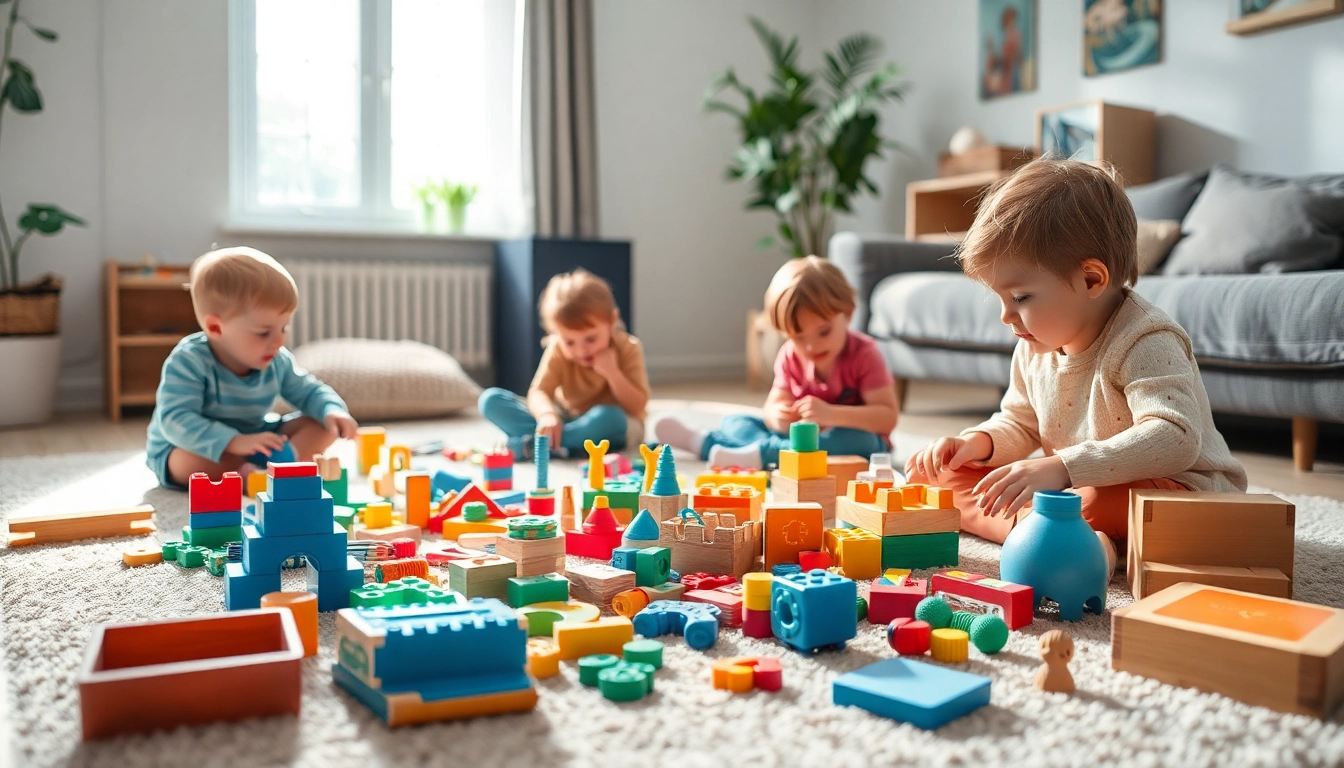
Building and construction toys are among the best options for encouraging imagination and creativity in children. They promote spatial awareness, fine motor skills, and complex problem-solving. Options include traditional blocks, magnetic tiles, and model-building kits. These toys encourage kids to experiment, allowing them to design structures and learn about balance, geometry, and physics through engaging play.
Arts and Crafts Supplies
Arts and crafts supplies open up a world of possibilities for self-expression. Items like colored paper, crayons, clay, and fabric allow children to explore their artistic side while enhancing creativity. Activities such as drawing, painting, or crafting can improve hand-eye coordination and fine motor skills while fostering a sense of accomplishment when they complete their projects.
Puzzles and Strategy Games
Puzzles and strategy games challenge children's cognitive abilities. They promote critical thinking, planning, and patience as children work to complete varied tasks. Board games, riddles, and traditional puzzles not only encourage problem-solving skills but also provide opportunities for social interaction, family bonding, and shared achievements.
Implementing Screen-Free Activities at Home
Creating a Dedicated Play Area
A well-defined space for screen-free play encourages children to engage with their toys and activities. Designate a specific area in the home where creativity can flourish—this could be a corner of a room equipped with storage for toys, art supplies, and crafting materials. A clutter-free, inviting atmosphere stimulates focus and imagination, making playtime more enjoyable.
Scheduling Regular Screen-Free Time
Establishing a routine that prioritizes screen-free time can significantly benefit children. Aim for specific blocks of time each day or week dedicated entirely to non-screen activities, such as building, crafting, or group games. Consistency reinforces the habit and lets kids anticipate playtime, allowing creativity to thrive.
Encouraging Parental Involvement
Children thrive when parents are actively engaged in their activities. Actively participating in screen-free play encourages bonding and provides opportunities for teaching moments. Whether it's crafting together, playing a game, or constructing a model, parental involvement models creativity and enthusiasm for active exploration, strengthening family connections.
Cultivating Creativity Through Play
Artistic Expression with Toys
Screen-free toys can help children express their emotions and thoughts through artistic forms. For instance, using different colors and textures in art projects allows kids to communicate their feelings visually. This type of expression encourages imaginative thinking and helps children articulate their emotional states, building their confidence.
Problem Solving with Building Sets
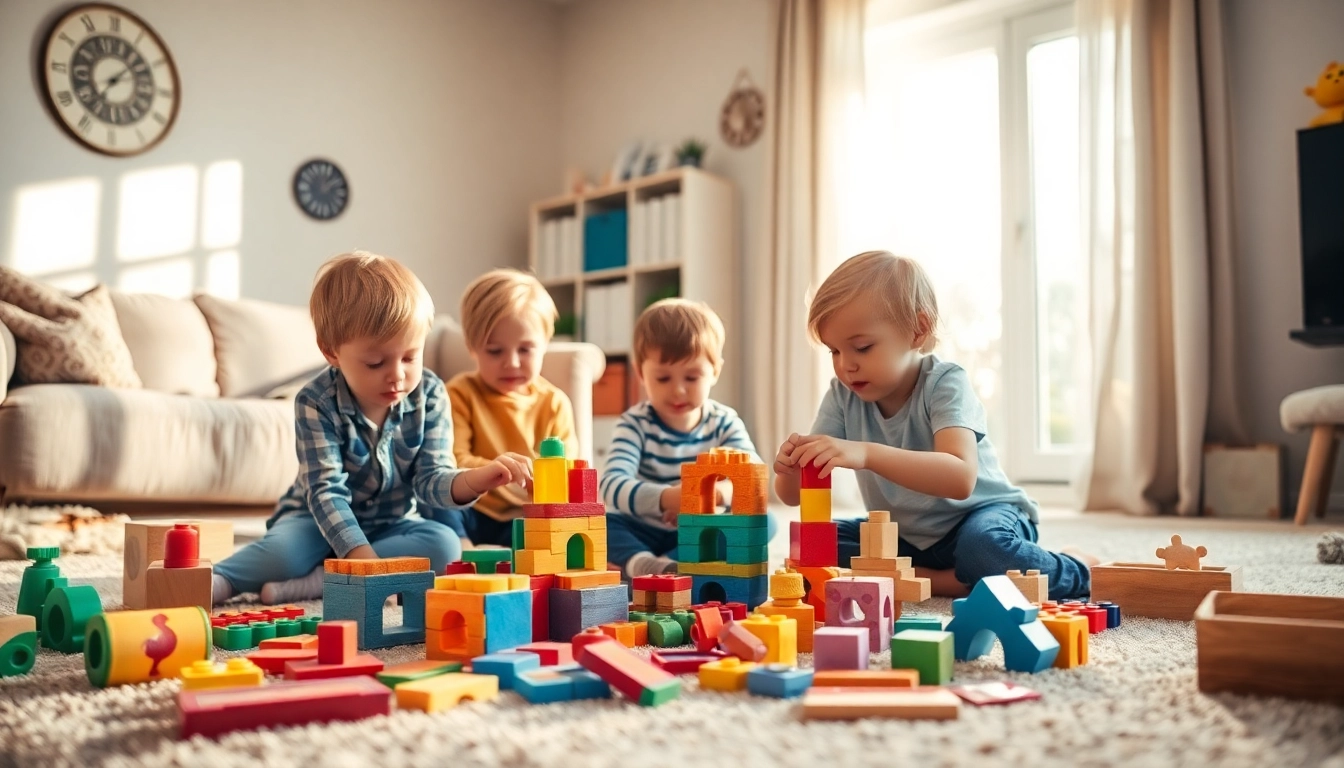
Building sets often require children to assess challenges and devise solutions, fostering critical thinking. As kids tackle construction tasks, they learn to analyze materials and tools' functionality, boosting their analytical capabilities. Whether designing a bridge with blocks or assembling a model airplane, the process promotes perseverance and innovation.
Imaginative Scenarios with Role-Playing
Role-playing is a vital aspect of childhood that helps kids develop empathy, social skills, and narrative abilities. Toys that facilitate role-play, like dolls, action figures, or costume dress-ups, allow children to act out various scenarios. This form of play fosters creativity and helps children understand and negotiate the world around them better.
FAQs: Common Questions About Screen-Free Play
What are the benefits of screen-free toys?
Screen-free toys enhance creativity, problem-solving skills, and foster social interactions among children.
How can I encourage my child to play without screens?
Provide a variety of engaging toys and set aside dedicated time for screen-free play each day to inspire creativity.
Are screen-free toys more expensive than electronic toys?
Many screen-free toys are budget-friendly and focus on long-term engagement rather than short-term stimulation.
What age group benefits most from screen-free games?
Children of all ages benefit, but toddlers and preschoolers especially thrive on imaginative and hands-on activities.
Can screen-free play improve attention spans?
Yes, engaging with screen-free activities can lead to better focus and attention as children learn to concentrate on tasks.