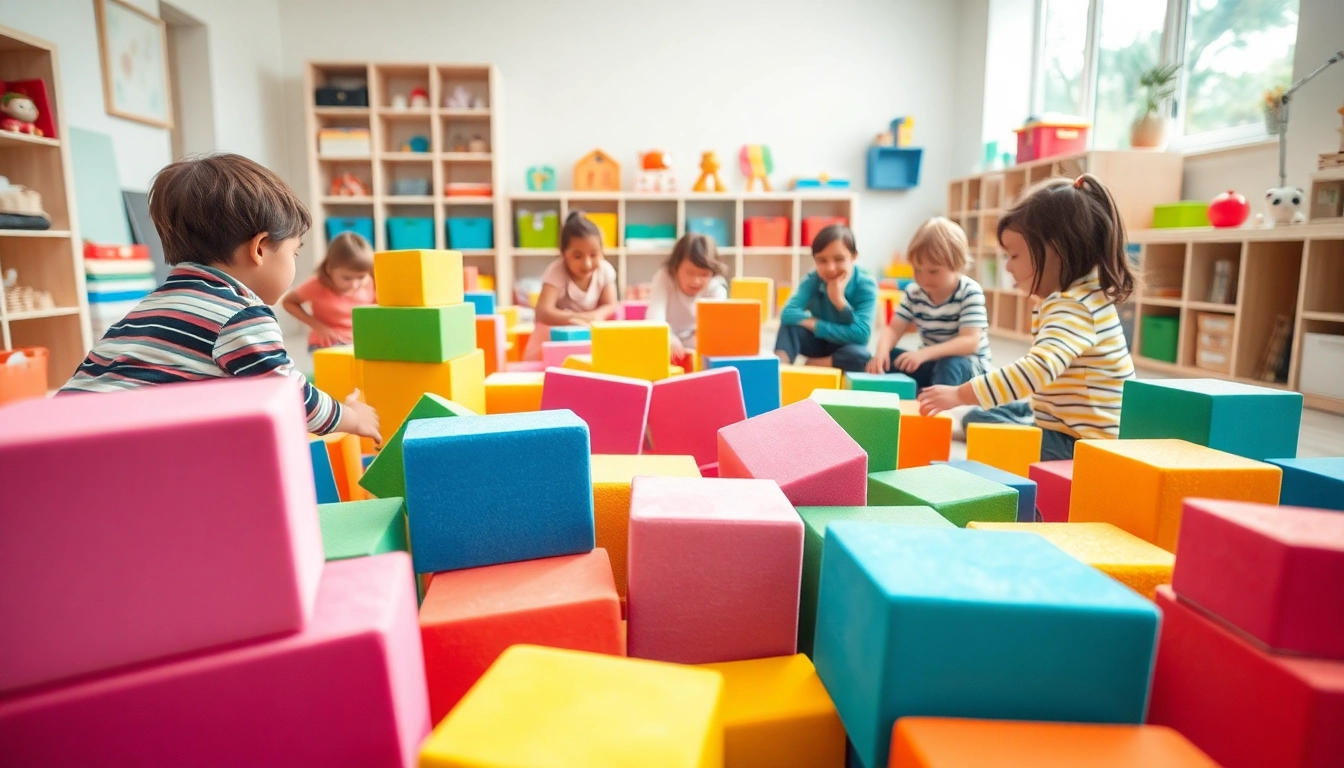
Introduction to Giant Foam Building Blocks
In an era where screen time often dominates playtime, giant foam building blocks have emerged as a refreshing alternative that nurtures creativity and imagination. These versatile toys encourage physical activity and cognitive development through exploratory play, making them a preferred choice for parents and educators alike. To further explore how these blocks can enhance play experiences, you can get the details on selecting the right foam blocks and uncovering innovative play ideas.
What are Giant Foam Building Blocks?
Giant foam building blocks are oversized soft blocks made from high-density foam, designed for both indoor and outdoor play. They come in various shapes, colors, and sizes, allowing children to explore their creativity through construction and design. Unlike traditional building materials, foam blocks are lightweight, safe for small hands, and gently absorb impact, making them suitable for toddlers and older children alike.
Benefits of Using Foam Blocks for Play
Using foam building blocks in play offers several advantages:
- Promote gross motor skills: The size and weight of foam blocks encourage children to lift, stack, and maneuver, which enhances their physical strength and coordination.
- Encourage imaginative play: With endless possibilities for construction, children can create castles, forts, and anything their minds conjure, fostering creativity and storytelling.
- Facilitate social interaction: Foam blocks make excellent group play activities, allowing children to collaborate, share ideas, and learn teamwork.
- Safe for all ages: Their soft material makes them safe for toddlers and reduces the risk of injury during play.
Safety Considerations for Indoor Play
While foam blocks are generally safe, parents and caregivers should consider several safety tips for indoor use:
- Ensure the play area is free from sharp objects and hazards.
- Regularly inspect blocks for any signs of wear or damage.
- Supervise young children during playtime to ensure safe interactions.
Choosing the Right Foam Building Blocks
Materials and Quality to Look For
When selecting foam building blocks, prioritize high-quality materials. Look for non-toxic, phthalate-free foam that meets safety standards. High-density foam is often preferable, as it retains its shape over time and can withstand the rigors of energetic play. It’s also worth checking for blocks with a durable skin or coating that resists wear and tear while being easy to clean.
Size and Shape Variations
Foam building blocks come in various sizes and shapes, each offering unique play opportunities:
- Large blocks: Ideal for younger children, enabling them to create structures easily.
- Smaller blocks: Perfect for intricate designs and can challenge children's problem-solving skills.
- Specialty shapes: Triangular, cylindrical, and other unique shapes encourage creativity and provide dynamic building experiences.
Where to Buy High-Quality Blocks
Purchasing the right foam building blocks requires research. Local toy stores, educational supply shops, and online marketplaces offer a range of options. Always read reviews and check return policies to ensure reliability. Consider buying from vendors that provide clear safety information and product specifications.
Creative Play Ideas with Foam Building Blocks
Building Structures: Encouraging Imagination
Encouraging children to construct their designs fosters creativity. Here are some imaginative ways to use foam blocks:
- Architectural wonders: Create famous landmarks and explore architectural styles.
- Fantasy worlds: Build castles, spaceships, or underwater cities that can turn storytelling into an immersive experience.
- Themed constructions: Set up themed building days such as "Space Day" or "Pirate Adventure" where children can create corresponding structures.
Games and Activities for Group Play
Foam blocks also lend themselves well to organized games that promote teamwork:
- Team building challenges: Divide children into groups and have them race to build the tallest structure within a set time.
- Obstacle courses: Use foam blocks to create paths and barriers children must navigate through, combining physical activity with problem-solving.
- Simon Says with blocks: Incorporate blocks into the classic game, where commands involve building or arranging blocks in specific ways.
Integration with Other Toys for Enhanced Fun
Foam blocks can integrate well with other toys to create enhanced play experiences:
- Vehicles: Use toy cars or figurines as part of a city built with foam blocks, encouraging imaginative play scenarios.
- Art supplies: Combine with paints or stickers for customized designs, making each block unique.
- Storytelling props: Incorporate blocks as sets or props in storytelling sessions to engage children further.
Maintenance and Care of Foam Building Blocks
Cleaning Guidelines for Longevity
Keeping foam blocks clean ensures a safe and enjoyable play environment. Regularly wipe down blocks with a mild detergent solution and a soft cloth. Avoid harsh chemicals and allow the blocks to air dry completely. For deep cleaning, foam blocks can often be rinsed with water, provided they are safe for such cleaning.
Storage Solutions to Keep Play Areas Organized
To avoid clutter and maintain a safe play area, consider the following storage solutions:
- Bins and baskets: Use large, breathable containers to store blocks when not in use.
- Designated play areas: Create a specific spot for foam blocks to promote organization and encourage children to put them away after play.
- Routine clean-up: Encourage children to participate in cleanup routines to instill responsibility and organization.
Checking for Wear and Tear
Inspect foam blocks regularly for any signs of wear, such as rips or loss of shape. Addressing wear and tear promptly can prolong the lifespan of the blocks. Discard any damaged blocks to ensure a safe play experience.
FAQs about Giant Foam Building Blocks
Can foam building blocks be used outdoors?
Yes, many foam blocks are suitable for outdoor play, but ensure they are stored indoors to prevent deterioration from weather exposure.
What age group is best suited for foam blocks?
Foam blocks are versatile and can be enjoyed by children of all ages, starting from toddlers to preschoolers and beyond.
How do I clean foam building blocks?
Wipe blocks with a mild detergent solution and a soft cloth. For deeper cleaning, rinse with water if the manufacturer permits it.
Are there any eco-friendly options available?
Yes, there are foam blocks made from recycled materials or organic foam, which are safer for the environment and children.
How can foam blocks enhance a child's development?
Foam blocks facilitate gross motor skills, cognitive development, imaginative thinking, and social skills through collaborative play.